Cosmos crypto defi infrastructure
Cosmos provides modular blockchain infrastructure that prioritizes interoperability and sovereignty. The network uses the Inter-Blockchain Communication (IBC) protocol to enable secure data and token transfers between independent chains, rather than forcing all assets onto a single monolithic chain. This architecture allows projects to build specialized zones optimized for specific use cases while maintaining access to a broader liquidity pool.
For developers and users, the primary advantage is composability across boundaries. Osmosis, the leading decentralized exchange on Cosmos, aggregates liquidity from multiple IBC-enabled chains. This means a user can trade tokens originating from different ecosystems without relying on centralized intermediaries or bridging assets to a single L1. The infrastructure reduces friction by treating interchain connectivity as a standard feature rather than an afterthought.
However, this modularity introduces complexity. Managing keys, gas fees, and bridge risks across multiple zones requires a higher level of technical awareness compared to single-chain environments. Projects must carefully evaluate whether the benefits of customizability outweigh the operational overhead. The decision to build on Cosmos depends on whether the use case demands specific governance or performance characteristics that general-purpose chains cannot provide.
| Feature | Cosmos Ecosystem | Monolithic Chains |
|---|---|---|
| Interoperability | Native IBC support | Limited or bridge-dependent |
| Customization | High (dedicated zones) | Low (shared state) |
| Complexity | Higher operational overhead | Simpler user experience |
Cosmos crypto defi infrastructure choices that change the plan
Choosing a Cosmos zone requires balancing sovereignty against security and complexity. The network offers modular flexibility, but this comes with distinct operational differences depending on whether you are deploying a new application chain, leveraging an existing hub, or building within a specific vertical.
The core decision involves selecting the right infrastructure layer. New projects often weigh building their own Application Chain (AppChain) for full control against using shared security models like Interchain Security (ICS) or deploying on established hubs like Cosmos Hub or Osmosis. Each path offers different tradeoffs in terms of capital efficiency, user experience, and technical overhead.
Application Chains vs. Shared Security
Building an independent Application Chain provides maximum sovereignty. You control the tokenomics, governance, and upgrade schedule. However, this requires significant validator coordination and security investment. You must bootstrap your own validator set or rely on external security providers, which adds complexity and cost.
Shared security via Interchain Security (ICS) allows smaller chains to lease security from a Hub. This reduces the barrier to entry and enhances security quickly. The tradeoff is reduced autonomy; you must align with the Hub’s governance decisions and validator set, which may limit customization for niche use cases.
Hub Deployment vs. Specialized Zones
Deploying on major hubs like Cosmos Hub or Osmosis offers immediate liquidity and user access. Osmosis, in particular, is the leading decentralized exchange in the ecosystem, making it ideal for token launches and DeFi integrations. The downside is competition for attention and potential congestion during high-volume periods. You also cede some control over the core protocol environment.
Specialized zones like Secret Network (privacy) or Terra (stablecoins) cater to specific verticals. These chains offer tailored tooling and community alignment but may suffer from lower liquidity compared to general-purpose hubs. They are best suited for projects where privacy or specific monetary policy is a primary feature.
| Infrastructure Model | Sovereignty | Liquidity Access | Operational Complexity | Best Use Case |
|---|---|---|---|---|
| Application Chain | High | Low (Initial) | High | Projects needing full control |
| Interchain Security (ICS) | Medium | Medium | Medium | New chains needing security |
| Cosmos Hub | Low | High | Low | General purpose assets |
| Osmosis | Low | Very High | Low | DEX and DeFi apps |
| Specialized Zone | Medium | Niche | Medium | Vertical-specific needs |
Decision Framework
Select your infrastructure based on your project’s primary constraint. If security and speed to market are critical, use Interchain Security. If liquidity and user acquisition are paramount, deploy on Osmosis or Cosmos Hub. If you require complete control over token mechanics and governance, build an Application Chain and bootstrap validators.
How to Choose the Right Cosmos Deployment
Deciding where to build within the Cosmos ecosystem requires matching your project's technical needs to the right infrastructure layer. The choice generally falls between launching a sovereign app-chain, deploying on a shared execution environment, or integrating via IBC. This decision determines your security model, developer velocity, and access to liquidity.
Use the Cosmos SDK to build a sovereign app-chain if your protocol requires custom consensus rules, specific tokenomics, or independent governance. This approach offers maximum flexibility but demands significant engineering resources to maintain validator infrastructure and security audits.

Consider shared execution environments like Celestia for data availability or Sei for high-throughput trading if you need to move fast without managing full node infrastructure. These layers reduce operational overhead and allow you to focus on application logic and user experience rather than base-layer maintenance.
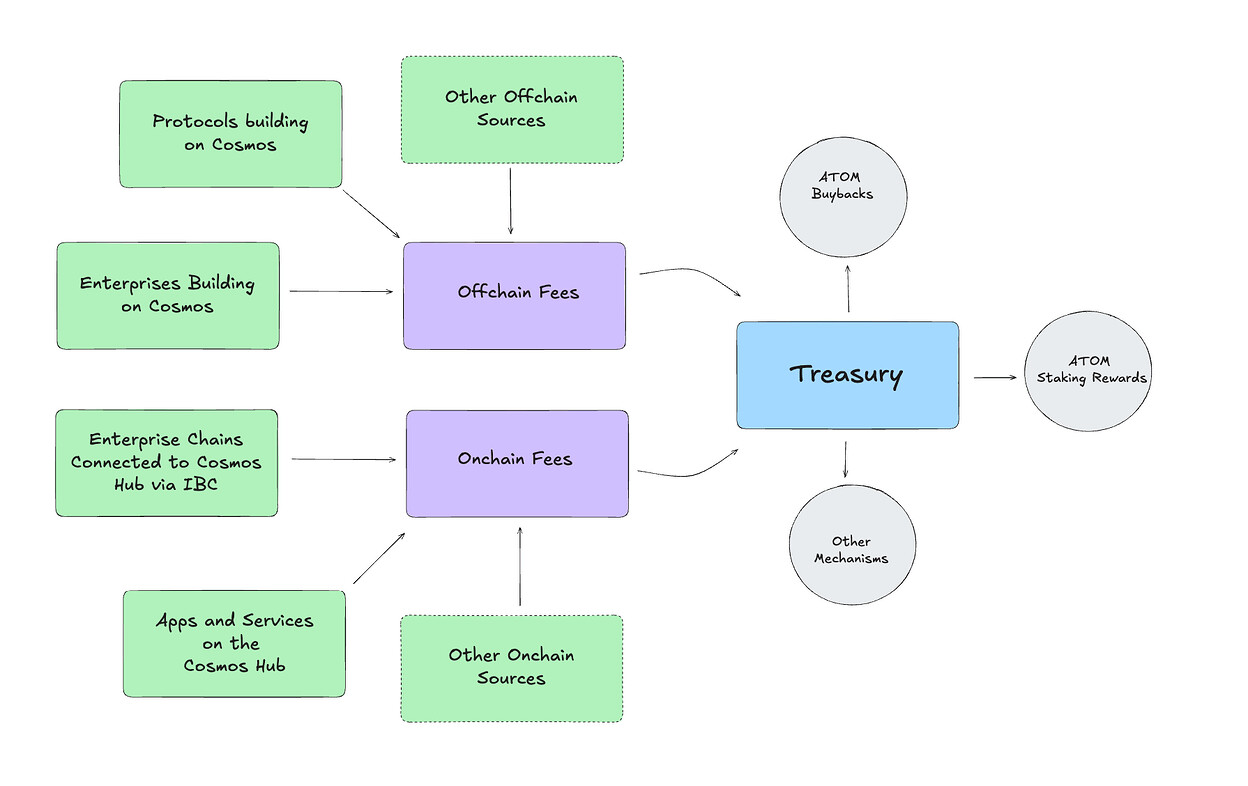
Ensure any chosen path supports Inter-Blockchain Communication (IBC). As Galaxy notes, Osmosis and the broader DeFi infrastructure make Cosmos attractive for new projects. Native IBC access is essential for tapping into deep liquidity pools and cross-chain composability without relying on centralized bridges.
Compare the security guarantees of each layer. Sovereign chains rely on their own bonded stake, while shared layers benefit from the aggregate security of the network. Check current incentive structures, including airdrop eligibility and grant programs, to ensure the economic model supports long-term sustainability.
| Layer | Security Model | Dev Complexity | Best Use Case |
|---|---|---|---|
| Sovereign App-Chain | Independent Stake | High | Custom consensus, regulated assets |
| Shared Execution | Network Aggregate | Medium | Fast deployment, high throughput |
| IBC Module | Counterparty Risk | Low | Liquidity access, cross-chain apps |
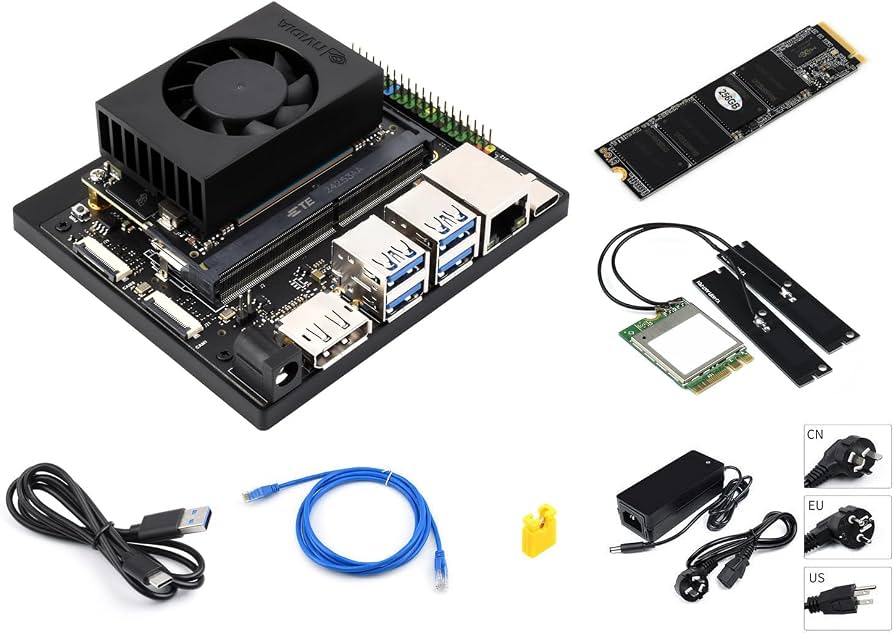


As an Amazon Associate, we may earn from qualifying purchases.
Identify Weak Options and Misleading Claims
The Cosmos ecosystem offers powerful interoperability, but not every project or strategy delivers on that promise. New entrants often face misleading claims about seamless integration or guaranteed liquidity. Before committing capital or development resources, you need a clear framework to separate robust infrastructure from speculative noise.
Common Pitfalls in Cosmos Projects
Many projects advertise "Cosmos-native" status without fully leveraging the Inter-Blockchain Communication (IBC) protocol. This results in isolated chains that lack the intended liquidity and composability. Always verify if a project has active IBC channels and real cross-chain volume, not just technical compatibility.
Another frequent mistake is over-reliance on a single validator or a centralized bridge. These create single points of failure. Check the decentralization metrics and audit reports for any bridges or critical infrastructure components. If the security model relies on a small group of trusted entities, the risk is disproportionately high.
How to Evaluate DeFi Opportunities
When assessing DeFi protocols on Cosmos, look beyond APYs. High yields often signal unsustainable tokenomics or excessive risk. Focus on protocols with transparent governance, audited smart contracts, and sustainable revenue models. Osmosis, for example, has established itself as a key liquidity hub, but its success depends on continuous community governance and fee distribution mechanisms.
Use this comparison to guide your evaluation:
| Feature | Strong Option | Weak Option |
|---|---|---|
| Interoperability | Active IBC channels with real volume | IBC-enabled but no cross-chain activity |
| Security | Multiple audits, decentralized validators | Single audit, centralized bridge |
| Sustainability | Transparent tokenomics, fee revenue | High APY, inflationary token supply |
Cosmos crypto, defi, and infrastructure: what to check next
Before committing capital or building on the Cosmos ecosystem, it helps to understand where the network actually delivers value and where it falls short compared to monolithic chains or other interoperability solutions. The following answers address the most common practical objections and technical constraints facing developers and investors in 2026.
The choice between Cosmos and other ecosystems often comes down to sovereignty versus convenience. If you need a chain that operates independently with custom gas tokens and governance, Cosmos IBC is the most mature solution. For simple, high-throughput applications that don’t require custom consensus, monolithic chains or L2s may offer a better developer experience.
No comments yet. Be the first to share your thoughts!