Cosmos crypto DeFi budget
Picking a Cosmos DeFi tool is like choosing a bicycle for a specific terrain. You could buy a high-end e-bike that handles everything, but you might not need the motor or the price tag for flat city streets. Similarly, Cosmos developers and users face a tradeoff between the speed of the Cosmos Hub and the specialized features of individual zones like Osmosis or Juno.
Your budget isn't just about the cost of the tool; it's about the "tax" you pay in complexity, gas fees, and technical risk. A simple stablecoin swap on Osmosis costs less in time and attention than building a custom IBC bridge. Understanding this helps you allocate resources where they actually matter.
The Cost of Interoperability
Using Cosmos tools often means dealing with multiple networks. While IBC (Inter-Blockchain Communication) is seamless for developers, it adds layers for end-users. You need to understand which chain holds your liquidity and how to move it. This isn't free in terms of cognitive load or potential security exposure.
Hardware vs. Software Wallets
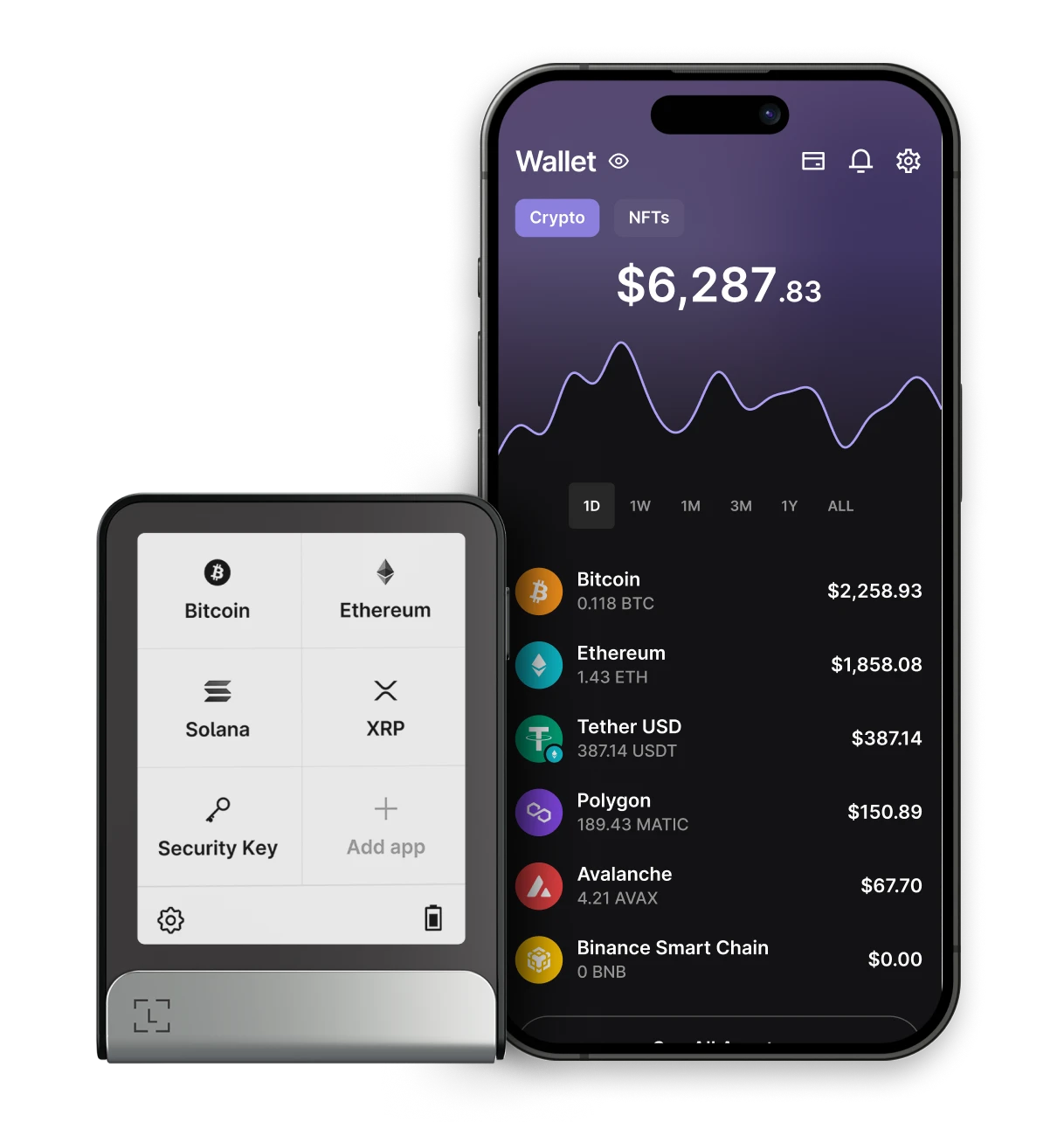
For holding ATOM or staking tokens, a hardware wallet like a Ledger or Trezor is the safest bet. It keeps your private keys offline. For active DeFi trading on Osmosis, a software wallet like Keplr is faster but less secure. Choose based on how much you plan to move and how long you plan to hold.


As an Amazon Associate, we may earn from qualifying purchases.
Staking Rewards vs. Inflation
Cosmos staking yields can look attractive, but inflation eats into real returns. If ATOM inflates at 7% and staking yields 15%, your net gain is 8%. However, if the token price drops, your dollar-denominated return might be negative. Always check the current inflation rate and vesting schedules before committing funds.
Gas Fees and Network Congestion
Some Cosmos zones experience high gas fees during peak times. While generally lower than Ethereum, these costs add up if you're trading frequently. Factor this into your budget. Using a zone with lower congestion or batching transactions can save significant money over time.
Shortlist real options
Cosmos (ATOM) is not a single app; it is an ecosystem of independent blockchains connected by the Inter-Blockchain Communication (IBC) protocol. To navigate this infrastructure, you need tools that specialize in liquidity aggregation, staking, and cross-chain swaps. The following three platforms represent the strongest options for engaging with Cosmos DeFi in 2026.
Osmosis: The Liquidity Hub
Osmosis is the leading Automated Market Maker (AMM) built on the Cosmos SDK. It serves as the primary liquidity layer for the entire network, allowing users to swap tokens across different IBC-connected chains without relying on centralized exchanges. Its concentrated liquidity model provides deeper pools and better rates for traders. For investors, Osmosis offers high-yield staking opportunities, though these come with the standard risks of smart contract exposure and impermanent loss.
Keplr: The Gateway Wallet
Keplr is the standard browser extension wallet for the Cosmos ecosystem. It acts as the secure entry point for managing ATOM and interacting with various dApps. Keplr simplifies the complex process of signing transactions across different chains, handling IBC transfers seamlessly in the background. It is essential for anyone looking to stake ATOM directly or provide liquidity on Osmosis, as it provides the necessary security keys and chain registration support.
Cosmos Hub: The Core Validator Network
The Cosmos Hub itself remains the foundational layer for security and governance. While you cannot "buy" the Hub, you engage with it by staking ATOM with validators. This process secures the network and earns staking rewards. Choosing a reliable validator is critical; look for those with high uptime, reasonable commission rates, and a strong track record of voting on governance proposals. This is the most passive and secure way to earn yield from the Cosmos infrastructure.
Comparison of Cosmos DeFi Tools
| Feature | Osmosis | Keplr Wallet | Cosmos Hub Staking |
|---|---|---|---|
| Primary Function | Decentralized Exchange (DEX) | Multi-chain Wallet | Network Security & Governance |
| Best For | Swapping & Yield Farming | Managing Assets & IBC Transfers | Passive Staking Rewards |
| Risk Level | High (Smart Contract) | Low (User Error) | Medium (Validator Risk) |
| IBC Support | Native | Native | Native |
Inspect the expensive failure points
Before deploying capital into Cosmos DeFi infrastructure, treat your setup like a security audit rather than a simple installation. The cost of a misconfigured bridge or a poorly chosen validator can erase months of yield. This section outlines the critical inspection steps to prevent catastrophic loss.
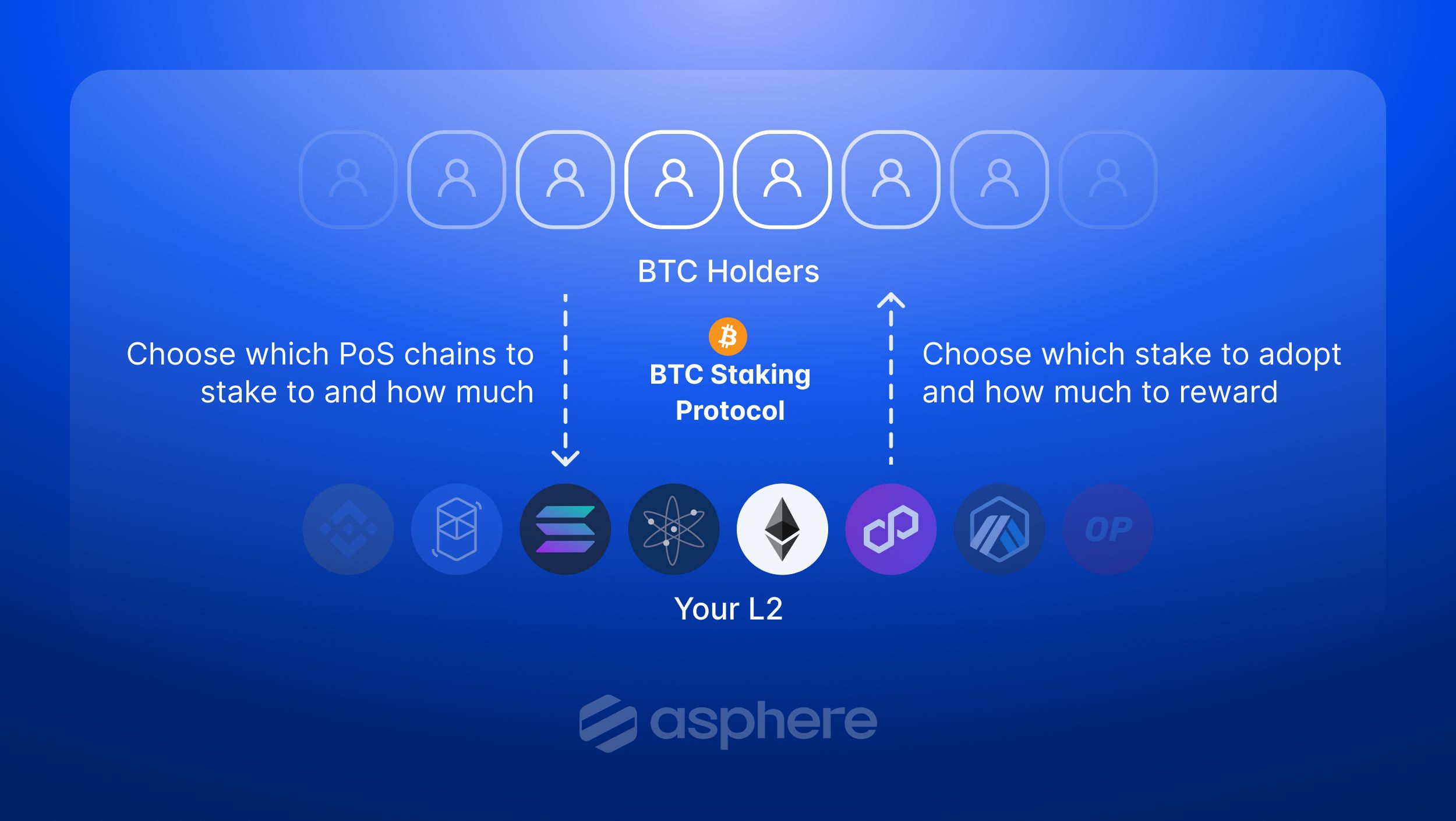
Check the specific IBC channel you intend to use. Not all channels are created equal; some connect to less secure chains or have lower liquidity depth. Look for channels with high daily volume and established uptime. Avoid new or experimental channels for significant holdings.
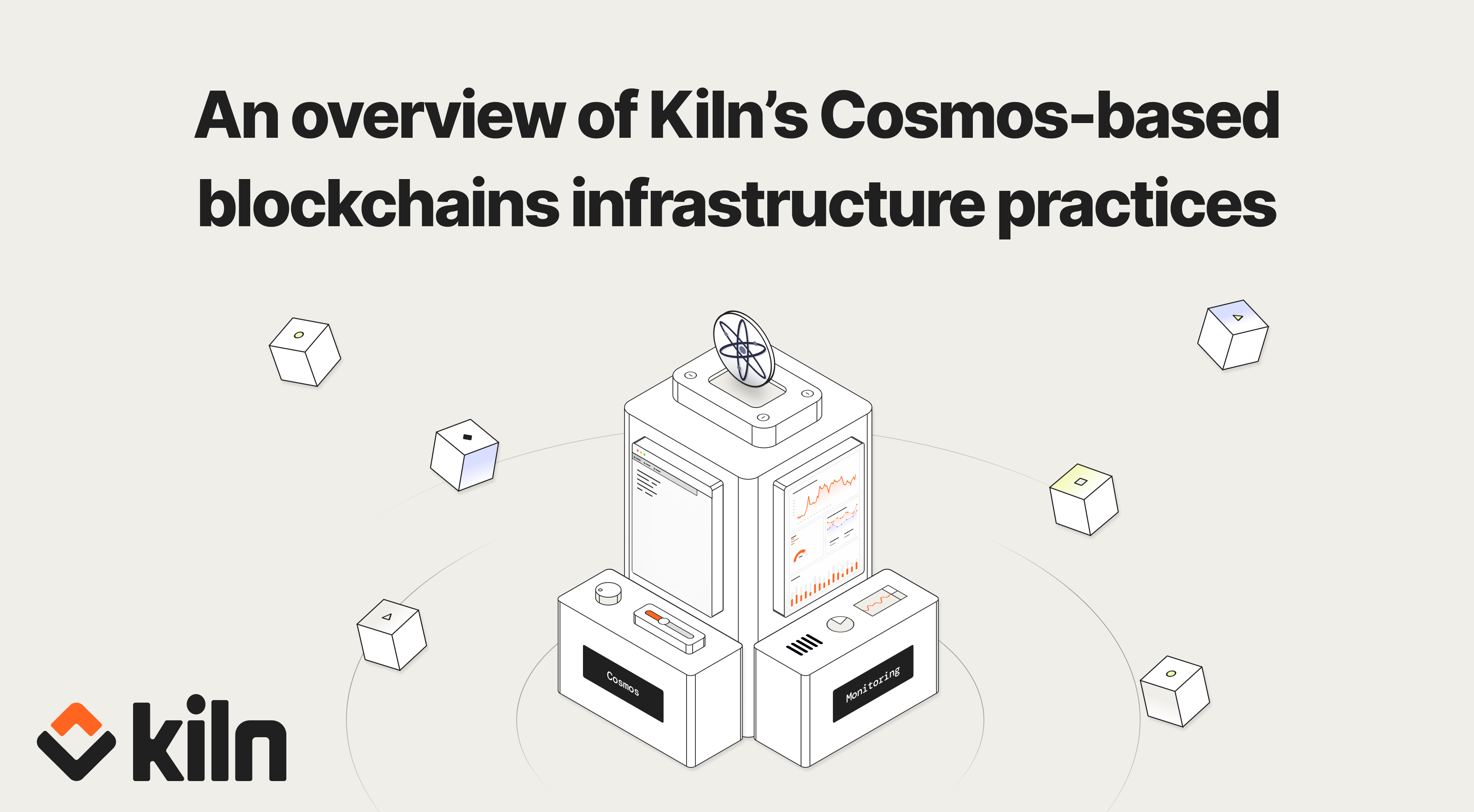
If you are staking ATOM, verify the validator’s slashing history and commission structure. A high-yield validator with a poor track record poses a greater risk than a conservative one. Check their uptime percentage on the official Cosmos explorer to ensure they rarely miss blocks.

Never move your entire portfolio through a new bridge or protocol immediately. Send a minimal amount first to confirm that the transaction completes successfully and that fees are as expected. This small test saves you from being locked out of funds due to technical glitches.
For any DeFi app built on Cosmos or using IBC, check if the smart contracts have been audited by reputable firms. Look for recent audit reports and whether the team has addressed the findings. Unaudited code is a gambling chip, not an investment vehicle.


As an Amazon Associate, we may earn from qualifying purchases.
These tools are essential for keeping your Cosmos assets safe. Hardware wallets provide the highest level of security by storing your private keys offline. Always purchase from official sources to avoid tampered devices.
Ownership costs and maintenance surprises
Buying Cosmos (ATOM) or building on the Cosmos SDK is rarely a one-time transaction. The "cheap buy" often masks recurring operational expenses that erode returns over time. Whether you are staking tokens to secure the network or running a validator node, you are trading upfront capital for ongoing liability.
For token holders, the primary cost is opportunity cost and inflation. While staking yields APY, the value of ATOM can fluctuate independently of the reward rate. If the token price drops 20% while you earn 15% in staking rewards, your net position is still negative. Additionally, validator commissions and network inflation rates directly impact the real yield you receive. Always calculate net yield after accounting for these variables, not just the gross APY displayed on exchange dashboards.
For developers and node operators, the costs are more tangible. Running a full node requires significant bandwidth, storage, and compute power. Cosmos chains are designed for high throughput, meaning data grows rapidly. You must budget for cloud hosting fees, IP addresses, and potential downtime penalties. A cheap VPS might suffice for testing, but production-grade validators need redundant infrastructure to avoid slashing risks. A single missed block can result in a percentage of your staked tokens being burned, turning a low-cost entry into a costly mistake.
Essential infrastructure tools
To manage these costs effectively, you need reliable hardware and monitoring tools. The following items are standard for anyone serious about participating in the Cosmos ecosystem, whether as a validator or a power user.


As an Amazon Associate, we may earn from qualifying purchases.
When evaluating these tools, prioritize reliability over price. A node that goes offline during a network upgrade or a power flicker can lead to slashing, which is far more expensive than the monthly cost of a robust server. Always factor in the cost of monitoring software and alerting services to catch issues before they become financial losses.
No comments yet. Be the first to share your thoughts!