Choose your interchain connectivity
Selecting the right bridge or IBC path is the most critical decision in your Cosmos DeFi infrastructure strategy. A misstep here doesn’t just mean a failed transaction; it exposes your capital to smart contract vulnerabilities or bridge exploits. You need a method that balances speed with proven security. Think of this as choosing the highway system for your assets: you want the route with the most traffic monitoring and the fewest potholes.
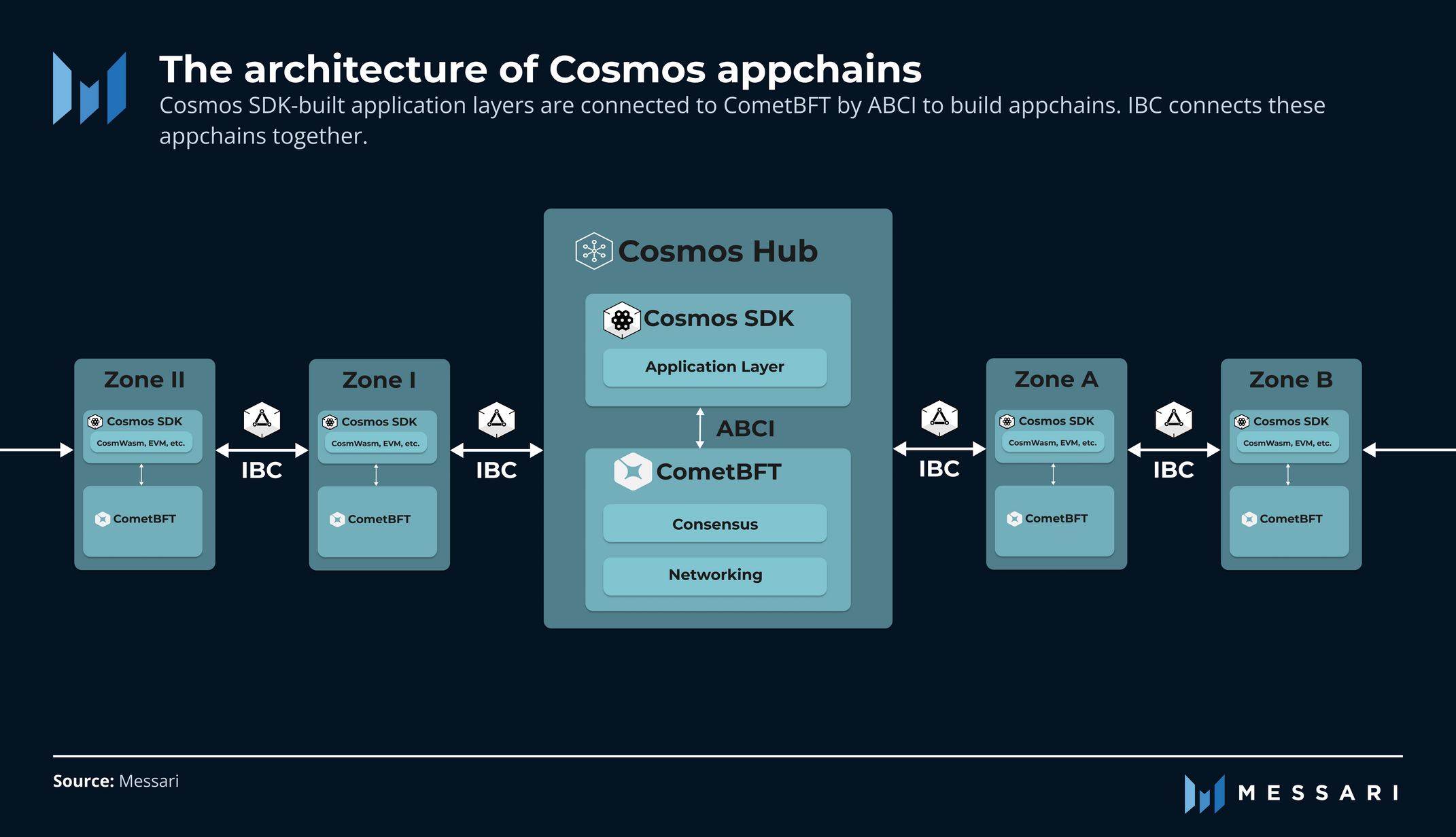
The Inter-Blockchain Communication (IBC) protocol is the native trust-minimized way to move assets within the Cosmos ecosystem. It allows chains like Osmosis, Celestia, and Juno to talk directly without a central intermediary. If your target chain is IBC-enabled, this is your first choice. For assets outside the Cosmos zone, you must use a centralized exchange or a wrapped asset bridge, which introduces counterparty risk. Always check if the destination chain supports native IBC transfers before considering third-party bridges.
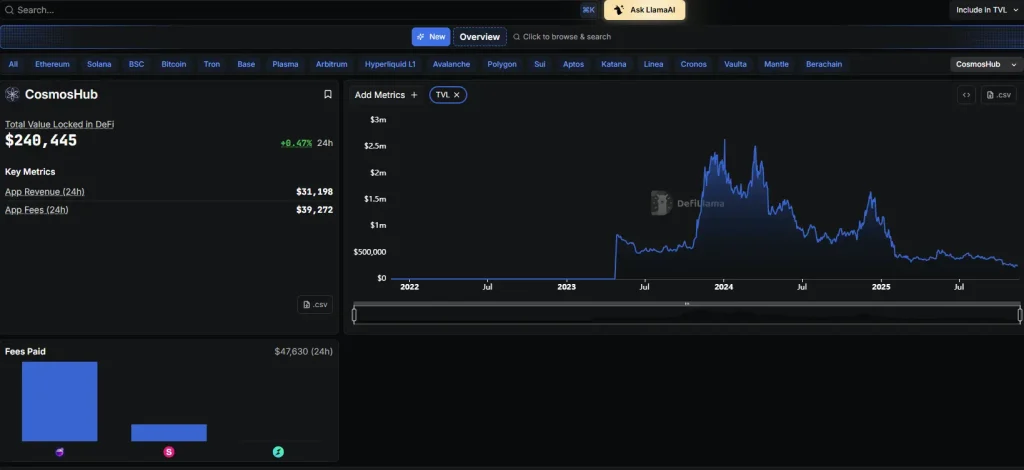
Not all bridges are created equal. Review the historical security incidents of any bridge you plan to use. Look for audits from reputable firms like CertiK or OpenZeppelin, and check if the bridge has a bug bounty program. Avoid bridges with unknown or unaudited smart contracts. The Cosmos ecosystem has seen its share of bridge exploits, so due diligence on the specific connector is non-negotiable for high-stakes infrastructure.

Before moving significant funds, execute a test transaction with the smallest possible amount. This verifies the path’s latency, fee structure, and finality time. Ensure the assets arrive intact and in the correct wallet address. This step catches configuration errors and network congestion issues before they become expensive mistakes. Treat this as a dry run for your entire infrastructure deployment.
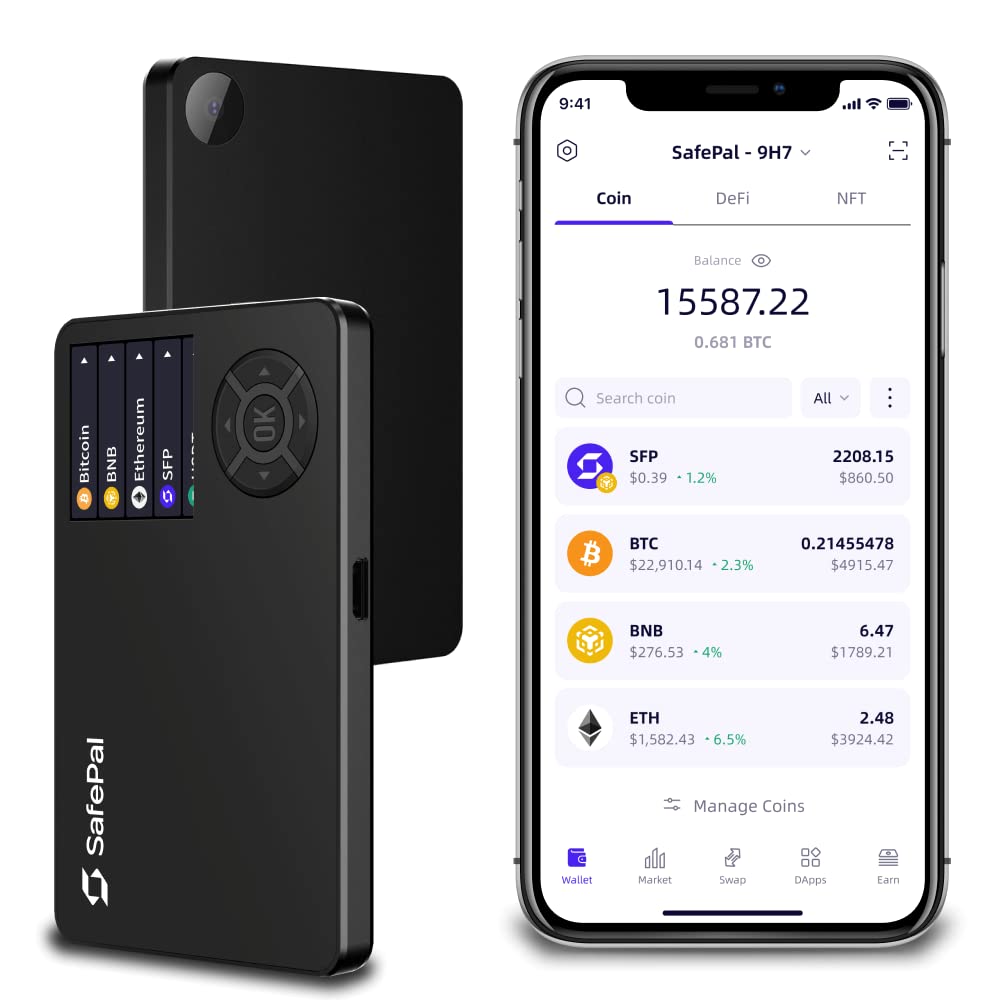
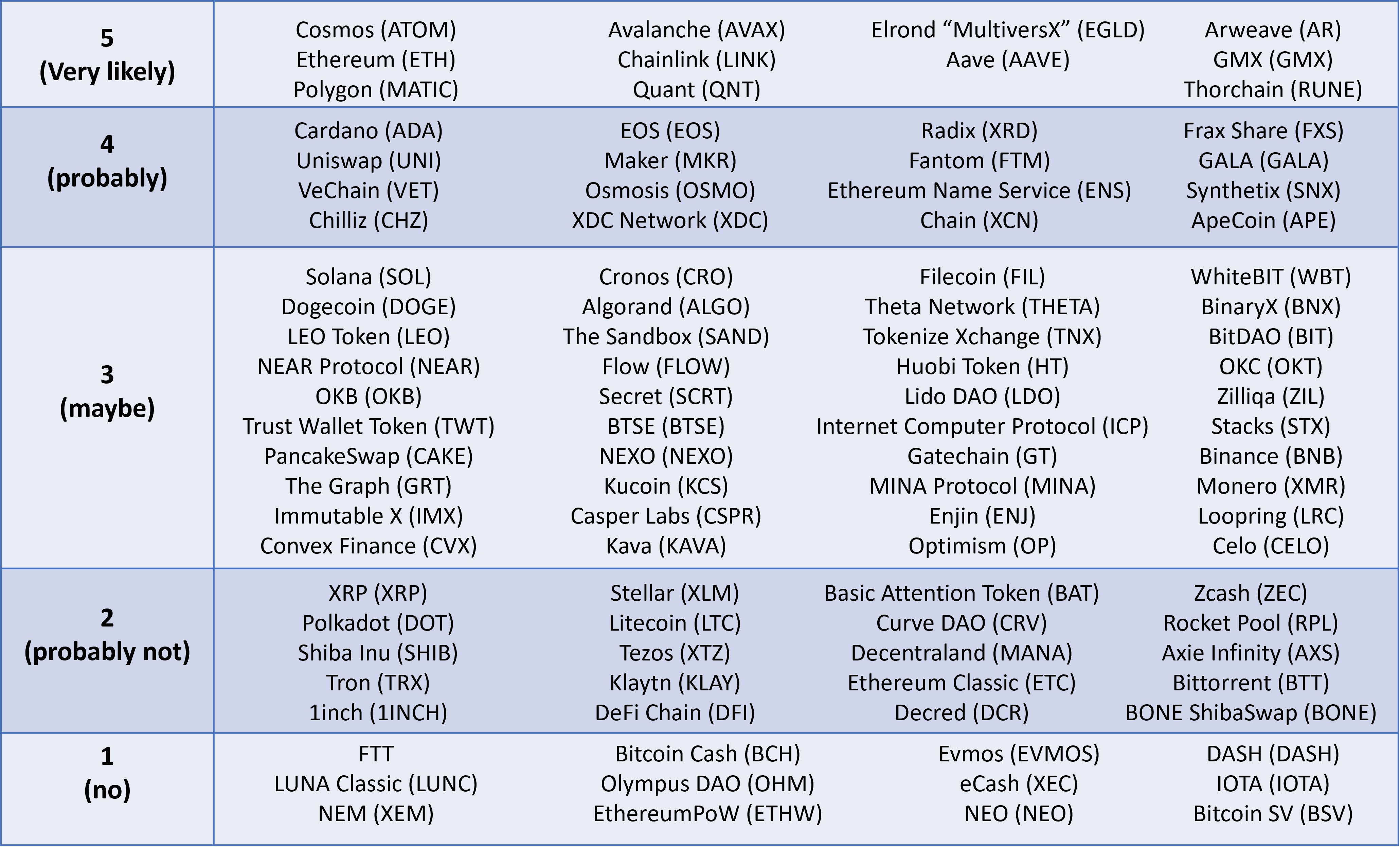
As an Amazon Associate, we may earn from qualifying purchases.
By following this sequence, you build a foundation that prioritizes security over convenience. The Cosmos ecosystem offers immense potential, but only if you approach the connectivity layer with caution and precision.
Deploy liquidity on Osmosis
Osmosis is the primary decentralized exchange (DEX) within the Cosmos ecosystem. It allows you to provide liquidity for various trading pairs, earning fees in return. This process is straightforward but requires careful attention to asset selection and risk management.
Navigate to the Osmosis interface and connect your compatible Cosmos wallet, such as Keplr or Leap. Ensure you have sufficient ATOM or stablecoins to cover transaction fees and initial liquidity deposits. Always verify you are on the official Osmosis URL to avoid phishing sites.
Browse the available pools or search for specific pairs like ATOM/USDC or IBC-enabled assets. Look for pools with high volume and reasonable fees. Be aware that less common pairs may have lower liquidity, which can lead to higher slippage and impermanent loss.
Click the "Add Liquidity" button and enter the amounts for both assets in the pair. The interface will calculate the ratio required to maintain the pool's balance. Review the estimated share of the pool you will receive and the potential yield based on current trading activity.
Approve the transaction in your wallet. Once confirmed, you will receive LP tokens representing your share of the pool. These tokens can be staked in Osmosis farms to earn additional OSMO rewards, boosting your overall yield. Monitor your position regularly to manage risk.
Providing liquidity on Osmosis is a core component of Cosmos DeFi infrastructure. By following these steps, you can participate in the ecosystem's growth while earning passive income. Always do your own research and understand the risks involved in impermanent loss and smart contract vulnerabilities.
Stake ATOM for network security
Staking ATOM is the mechanism that secures the Cosmos Hub. By delegating your tokens to a validator, you help validate transactions and secure the network. In return, you earn staking rewards, typically distributed in ATOM. This process is not just about earning yield; it is an active participation in the infrastructure that powers the Cosmos ecosystem.
The process is straightforward, but the choice of validator matters. You are responsible for ensuring your delegation goes to a reliable operator. Here is how to stake ATOM and support the network.
Look for validators with high uptime and reasonable commission rates. The Cosmos ecosystem is vast, so pick a validator that aligns with your risk tolerance. Check their slash history to avoid those who have penalized the network.
Using your preferred wallet (like Keplr or Cosmos Station), go to the staking section. Select your chosen validator and enter the amount of ATOM you wish to delegate. Confirm the transaction and pay the small network fee.
Rewards are distributed automatically to your wallet. You can check the validator’s performance dashboard to ensure they are running correctly. If a validator underperforms or raises commissions, you can redelegate your tokens to a better option.
Staking ATOM is a direct way to contribute to the security and stability of the Cosmos Hub. By carefully selecting a validator and monitoring their performance, you can earn rewards while supporting the decentralized infrastructure.
Monitor interchain metrics
You cannot manage what you do not measure. In the Cosmos ecosystem, "interchain" means your liquidity and security are exposed to multiple independent networks. A glitch in one zone can cascade into your DeFi positions. Tracking these metrics is not optional; it is the primary defense against capital loss.
Start by visualizing the flow of value. Use the official Cosmos ecosystem explorer to see which chains are connected and where liquidity is concentrated. This helps you identify single points of failure before they break your strategy.
Next, track the health of the Inter-Blockchain Communication (IBC) protocol itself. Monitor transaction success rates and latency between zones. High latency or frequent failures often signal congestion or misconfiguration in a counterparty chain, which can trap your assets or cause slippage.
Finally, set up alerts for validator performance and governance activity. If a major validator in a connected zone goes offline or proposes risky upgrades, your assets on that chain are at risk. Real-time monitoring allows you to rebalance or withdraw before a crisis hits.
Secure your interchain keys
Your private keys are the only thing standing between your assets and total loss. Managing them across multiple IBC-enabled chains requires a disciplined approach, as a single compromised key can expose your entire interchain portfolio.
1. Use a hardware wallet for all IBC interactions
Never store significant assets in software-only wallets. Use a hardware wallet like Ledger or Trezor to sign transactions. This keeps your private keys offline, protecting them from malware and phishing attempts common in the Cosmos ecosystem.
2. Enable transaction simulation before signing
Always review the transaction details before confirming. Most Cosmos wallets allow you to simulate the transaction first. This step reveals the exact gas costs and any potential errors, preventing costly mistakes or accidental approvals of malicious contracts.
3. Verify the chain ID and network
Ensure you are connected to the correct chain. IBC transactions are irreversible. Double-check the chain ID and network name in your wallet settings to avoid sending funds to the wrong destination or interacting with a testnet instead of mainnet.
4. Rotate keys for different risk levels
Consider using separate key pairs for high-risk interactions (like new token swaps) versus long-term storage. This limits the damage if one key is compromised, keeping your core assets safe.
No comments yet. Be the first to share your thoughts!