Why Cosmos crypto DeFi infrastructure matters now
Cosmos is no longer just a collection of independent blockchains. It is evolving into a unified security layer that allows diverse networks to share protection without sacrificing sovereignty. This shift from isolated chains to a cohesive interchain model addresses the fragmentation that has long plagued DeFi, creating a more reliable foundation for institutional adoption.
The core of this infrastructure is the Inter-Blockchain Communication (IBC) protocol. IBC acts as a standardized messaging system, enabling different blockchains to exchange data and assets securely. Think of it as a universal postal service for digital assets: just as letters travel between countries via standardized shipping rules, tokens move between Cosmos chains using IBC. This interoperability reduces the need for risky centralized bridges and allows liquidity to flow freely across the ecosystem.
To strengthen this network, Cosmos introduced Interchain Security (ICS). Previously, each chain had to build and maintain its own validator set, which is expensive and often leaves smaller chains vulnerable to attacks. ICS allows independent chains to lease security from the Cosmos Hub, the network’s central hub. This means new projects can launch with the same robust security guarantees as the mainnet, lowering the barrier to entry and raising the overall safety standard for all participants.
This structural maturity is why Cosmos is increasingly viewed as critical infrastructure rather than just another speculative asset. By providing secure, scalable, and interoperable tools, it enables developers to build complex financial applications that were previously too risky or technically difficult to deploy. For institutions seeking stable, compliant, and interconnected blockchain solutions, Cosmos offers a proven path forward.
Interchain security changes the risk model
Launching a new blockchain used to mean starting with zero security. New chains had to rely on a small set of validators or a centralized team, making them vulnerable to attacks and lacking the trust required for institutional capital. Interchain Security changes this dynamic by allowing new chains, or "consumer chains," to lease security from the Cosmos Hub.
This model is similar to a utility grid. Instead of every building generating its own power, they plug into a centralized, high-capacity source. In the Cosmos ecosystem, the Hub maintains a large set of validators who stake ATOM. Consumer chains can tap into this existing security pool, inheriting the Hub's robust validator set without needing to bootstrap their own from scratch.
The technical mechanism is straightforward. The Cosmos Hub acts as the security provider, while consumer chains submit their state to the Hub via the Inter-Blockchain Communication (IBC) protocol. Validators who secure the Hub can also vote to secure consumer chains, earning additional rewards for doing so. This creates a network effect: as more chains join, the total value secured by the Hub increases, making the entire ecosystem more resilient.
For developers, this lowers the barrier to entry significantly. Projects can focus on building specialized functionality—like high-throughput DeFi or gaming infrastructure—rather than spending months recruiting validators. For users, it means their assets on a new chain are protected by the same economic security as the largest blockchain in the Cosmos ecosystem.
This shared security model has already attracted significant institutional interest. Chains like Noble, which launched the first native stablecoin on Cosmos, leveraged this infrastructure to launch quickly and securely. The result is a growing network of specialized chains that are more secure and interoperable than ever before.
Liquid staking drives liquidity efficiency
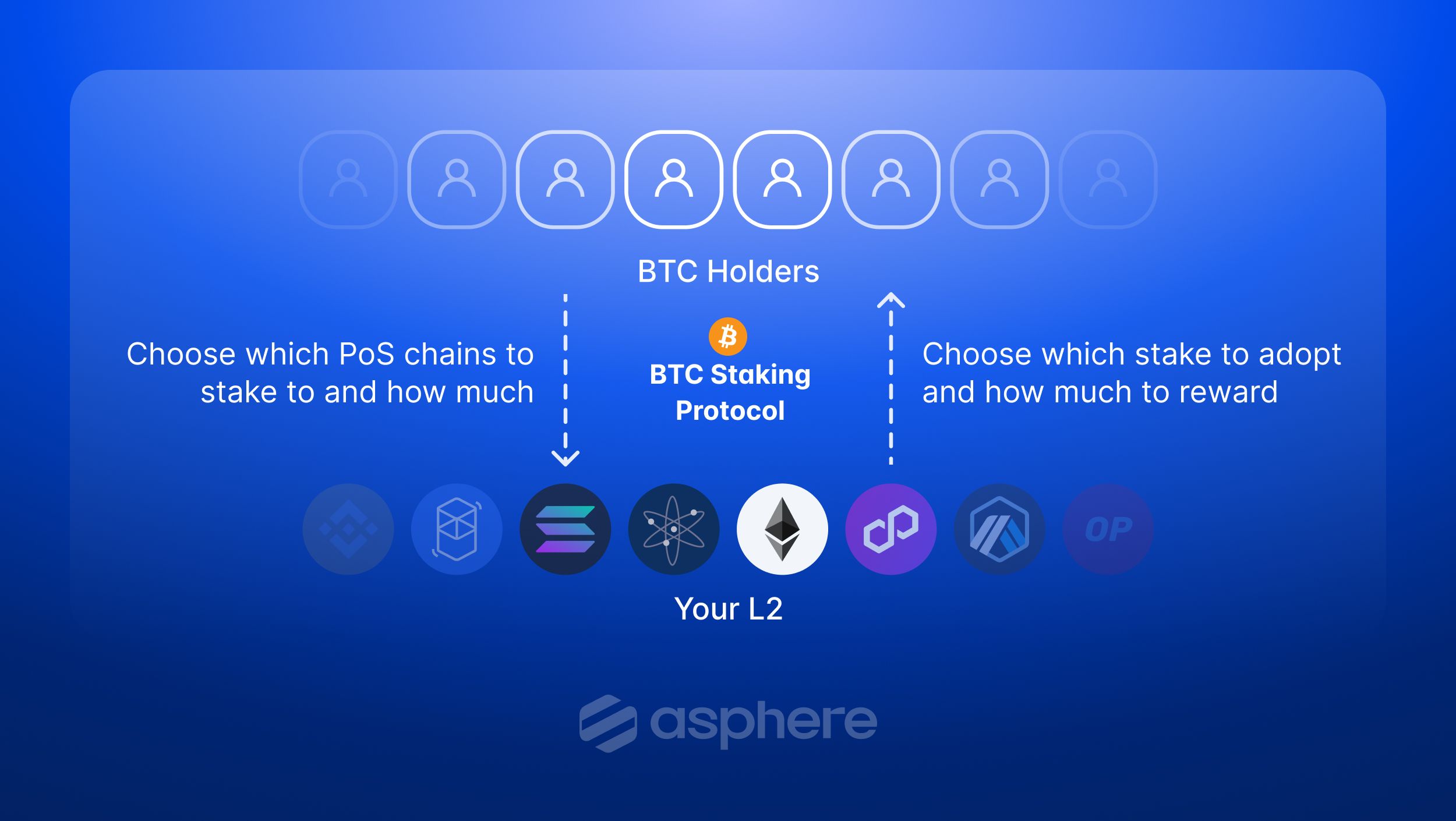
Liquid staking transforms Cosmos from a static holding vault into a dynamic engine. When you stake ATOM, you lock your capital to secure the network, but traditional staking leaves those tokens idle. Liquid staking solves this by issuing a derivative token—such as stATOM or rATOM—that represents your staked asset. These derivatives trade at a premium to the underlying token, reflecting the accrued staking rewards.
This mechanism unlocks capital for DeFi protocols. Instead of sitting dormant, your staked assets can now be deployed across the Cosmos ecosystem. You can supply these liquid tokens as collateral on lending platforms like Kujira or inject them into liquidity pools on Osmosis. This creates a recursive yield loop: you earn base staking rewards while simultaneously generating trading fees or lending interest. The liquidity efficiency gain is significant, turning a single asset into multiple revenue streams.
The infrastructure relies on Interchain Security to maintain security standards across zones. As noted in recent ecosystem analyses, bringing native liquid staking to the hub ensures that liquidity, governance, and security start from a unified foundation. This integration prevents the fragmentation that often plagues cross-chain staking, allowing protocols to trust the underlying collateral without complex bridging risks.
The table below compares the primary liquid staking derivatives available within the Cosmos ecosystem, highlighting their native chains and typical use cases.
| Liquid Token | Issuer | Native Chain | Primary Use Case |
|---|---|---|---|
| stATOM | Stride | Stride | General DeFi collateral |
| rATOM | Regen Network | Regen | Ecosystem-specific incentives |
| stOSMO | Stride | Stride | Osmosis liquidity pools |
Essential tools for navigating the Cosmos ecosystem
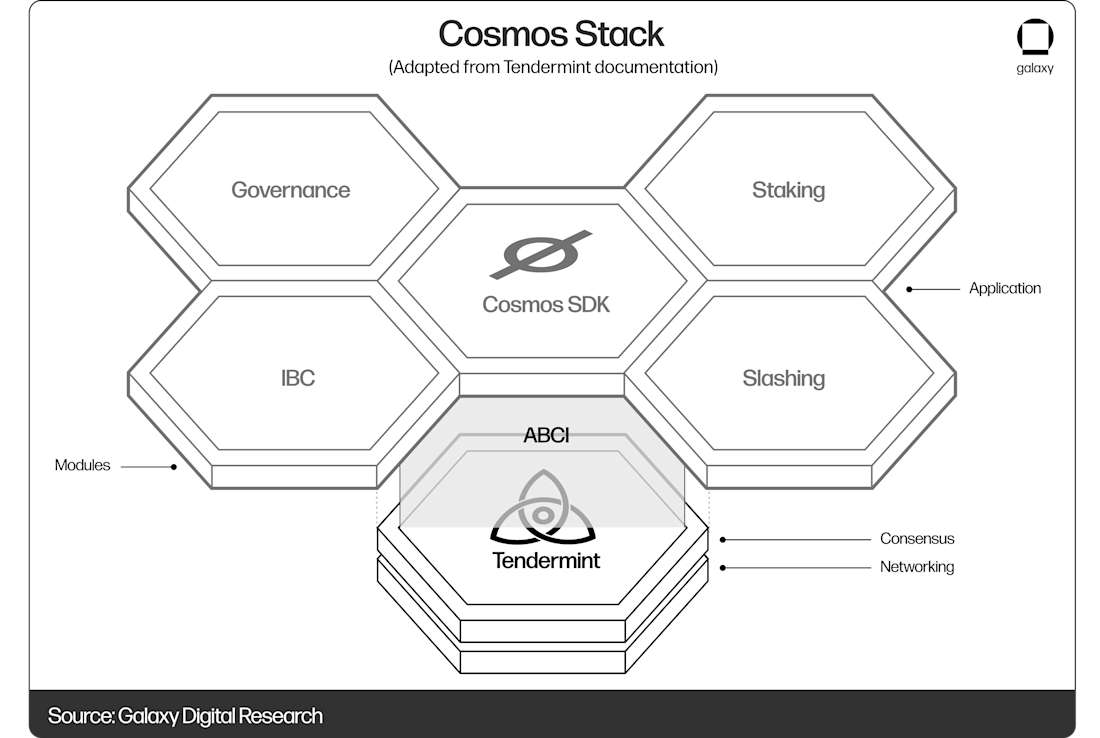
Interacting with the Cosmos network requires specific software because standard Ethereum wallets often lack the necessary protocols. To participate in the interchain economy, you need tools that support the Inter-Blockchain Communication (IBC) protocol and the Cosmos SDK. These tools act as the bridge between isolated blockchains, allowing assets to move freely across the network.
The most critical component is a compatible wallet. Keplr is the industry standard for Cosmos-based chains. It provides a seamless interface for staking ATOM, interacting with decentralized exchanges like Osmosis, and managing keys across multiple zones. For users who prioritize security, hardware wallets like Ledger are fully supported by Keplr, allowing you to sign transactions offline. This combination ensures that your private keys never leave your device, even when interacting with complex DeFi applications.
Beyond wallets, you need reliable data providers to track your positions across different chains. Mintscan serves as the primary block explorer for the Cosmos Hub, offering real-time data on validators, governance proposals, and transaction history. It is indispensable for verifying that your staking rewards are being distributed correctly. Similarly, Cosmos Explorer provides a broader view of the interchain, allowing you to trace IBC transfers between different networks.
For those looking to secure their assets long-term, hardware wallets remain the best defense against digital threats. They provide a physical barrier that software-only solutions cannot match.


As an Amazon Associate, we may earn from qualifying purchases.
Strategic Outlook for Interchain Finance
As 2026 approaches, the Cosmos ecosystem is shifting from experimental interoperability to institutional-grade infrastructure. The focus is no longer just on connecting chains, but on securing them through Interchain Security (ICS). This shared security model allows smaller chains to inherit the robust validator set of the Cosmos Hub, reducing the risk of isolated attacks while maintaining sovereign governance.
The Inter-Blockchain Communication (IBC) protocol remains the backbone of this strategy. Unlike bridged assets that rely on trusted intermediaries, IBC enables native token transfers across zones. This creates a seamless liquidity pool that behaves more like a unified market than a fragmented collection of silos. For investors, this means deeper liquidity and reduced slippage, critical factors for high-stakes DeFi operations.
Market dynamics will likely favor projects that leverage these native connections. As institutions enter the space, they prioritize infrastructure that offers both security and compliance. Cosmos provides the technical foundation for this, allowing governments and enterprises to build on their own terms without sacrificing interoperability. The result is a more resilient interchain finance layer capable of handling real-world volume.
No comments yet. Be the first to share your thoughts!