Cosmos crypto defi infrastructure limits to account for
Cosmos positions itself as the internet of blockchains, but the reality of its infrastructure is defined by fragmentation. The Inter-Blockchain Communication (IBC) protocol enables chains to talk to each other, yet it does not automatically create a unified liquidity pool or a seamless user experience. For DeFi builders, this means the "sovereign" nature of each zone is a double-edged sword: it offers flexibility but requires significant engineering overhead to manage cross-chain state.
The primary constraint is not technical capability, but operational complexity. When a user interacts with a DeFi app on one Cosmos zone, the transaction might need to hop across multiple chains to settle. Each hop introduces latency and requires bridging assets through light clients. This creates a friction point that centralized exchanges do not face. Developers must account for these delays when designing yield strategies or arbitrage bots.
Liquidity is similarly siloed. While IBC allows token transfers, deep order books rarely span multiple zones. A stablecoin pair on Osmosis may have high volume, but that liquidity does not automatically flow to Axelar or Juno without active market making. This fragmentation forces users to choose between higher yields on niche chains and the stability of established hubs like Cosmos Hub. The infrastructure supports the movement of value, but not the consolidation of it.
The market reflects this tension. While the Cosmos ecosystem continues to grow in the number of active chains, the total value locked (TVL) remains distributed rather than concentrated. This distribution is a feature of decentralization, but a bug for users seeking simplicity. The 2026 upgrade cycle focuses on reducing this friction through better relayer networks and standardized asset representations, but the fundamental trade-off between sovereignty and usability remains unresolved.
Cosmos crypto defi infrastructure choices that change the plan
Building on Cosmos requires balancing sovereignty against operational complexity. IBC enables chains to exchange assets and data without a central hub, but this flexibility introduces specific technical and economic considerations. Before deploying or integrating, evaluate these concrete tradeoffs.
Sovereignty vs. Interoperability
Cosmos chains operate as independent zones with their own governance, tokenomics, and security models. This sovereignty allows teams to tailor parameters without waiting for a global consensus, a distinct advantage for specialized DeFi applications. However, this independence means each chain must manage its own validator set and security budget. While IBC connects these zones, it does not unify their security. A bridge between two chains is only as secure as the weakest link, requiring careful audit scrutiny that monolithic chains often avoid.
Consensus Speed vs. Finality
The Tendermint BFT (Byzantine Fault Tolerance) consensus engine used by Cosmos SDK chains offers rapid block times, typically under three seconds. This speed supports high-frequency trading and responsive user interfaces. The tradeoff lies in finality guarantees. While blocks are committed quickly, true cryptographic finality may require several subsequent blocks to ensure immutability. For institutional DeFi protocols, this slight delay in absolute finality can impact risk management models compared to Proof-of-Work chains with longer confirmation times, or Layer 2 rollups with deterministic finality.
Developer Ecosystem vs. Tooling Maturity
The Cosmos SDK provides a modular framework that accelerates custom chain development. Teams can build specialized blockchains using pre-built modules for staking, governance, and token standards. This modularity reduces development time significantly. Conversely, the tooling ecosystem is fragmented. Unlike Ethereum’s unified web3.js or ethers.js, Cosmos developers often rely on multiple SDKs and chain-specific RPC endpoints. This fragmentation increases the learning curve for frontend developers and can complicate cross-chain application integration.
Economic Security vs. Sybil Resistance
Cosmos chains rely on staked assets to secure the network. The economic security model is robust, as attackers must acquire a significant portion of the staked token supply. However, this model is vulnerable to Sybil attacks if validator node requirements are too low. Newer Cosmos chains often implement stricter hardware or staking thresholds to mitigate this, but it can centralize validation power. Evaluating the decentralization of the validator set is critical for assessing long-term resilience against collusion or censorship.
| Factor | Advantage | Tradeoff |
|---|---|---|
| Sovereignty | Independent governance and tokenomics | Fragmented security model |
| Consensus | Sub-3 second block times | Delayed cryptographic finality |
| Development | Modular SDK accelerates build | Fragmented tooling and SDKs |
| Security | Strong economic stake requirements | Risk of validator centralization |
How to Choose the Next Cosmos Strategy
Cosmos is shifting from a theoretical interoperability layer to a production-grade infrastructure for institutions and governments. The 2026 roadmap emphasizes sovereign blockchains that connect via IBC while maintaining strict security standards. For developers and investors, this means the focus is no longer just on connecting chains, but on building compliant, high-throughput networks that can handle real-world assets.
To navigate this shift, evaluate your position against these three strategic pillars. Each represents a distinct path depending on whether you are building infrastructure, deploying applications, or allocating capital.
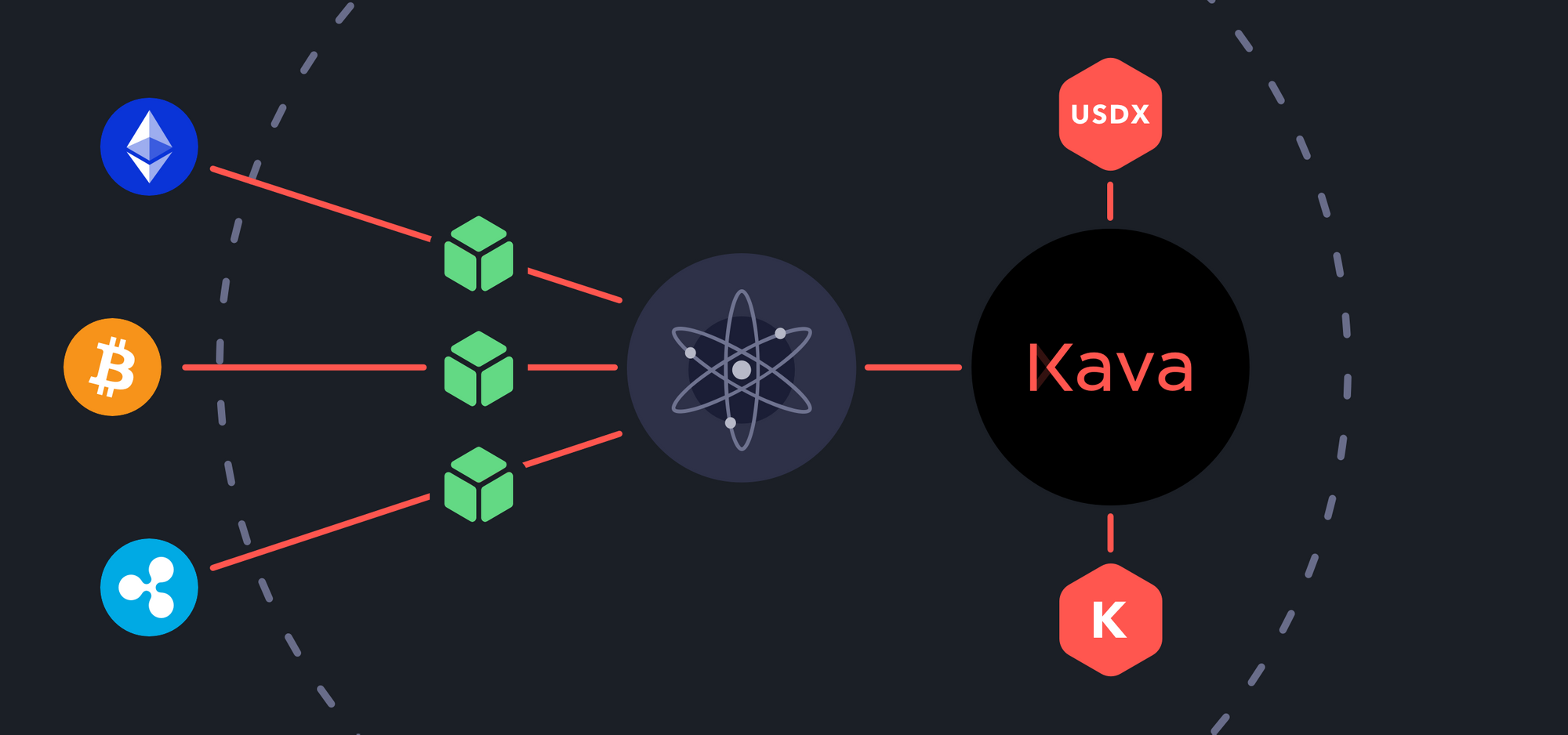
The core value of Cosmos lies in its ability to allow independent blockchains to communicate securely. Before committing resources, verify that your protocol or investment targets active IBC channels. Check the Cosmos Hub dashboard for real-time channel counts and packet throughput. A high volume of cross-chain transfers indicates a healthy, liquid ecosystem, while stagnant channels suggest limited utility. Prioritize chains that have integrated IBC into their core consensus, not just as an afterthought.
Cosmos is explicitly targeting institutions and governments with its "sovereign blockchain" model. This means evaluating whether the network supports regulatory compliance features like identity verification, audit trails, and permissioned access. If you are building for enterprise, look for chains that offer modular governance and KYC/AML integration. The infrastructure must allow for controlled participation without sacrificing the benefits of decentralization. Networks that fail to meet these institutional standards will likely struggle to attract significant capital in 2026.
The ATOM token's role is evolving from a simple governance token to a key component of the interchain security model. Understand how staking rewards and security sharing affect token value. The new model allows smaller chains to lease security from the Cosmos Hub, creating new demand for ATOM. However, this also dilutes the direct utility of holding ATOM for governance. Analyze the staking ratios and the number of active security providers. A healthy shift requires a balance between staking yields and the network's overall security budget.
| Focus Area | Key Metric to Watch | Primary Risk |
|---|---|---|
| IBC Connectivity | Active Channels & Packet Volume | Low liquidity on minor chains |
| Institutional Readiness | Compliance Features & Audit Trails | Regulatory misalignment |
| Tokenomics | Staking Ratio & Security Revenue | Dilution of governance power |
Spotting Weak Cosmos Options in 2026
As the Cosmos ecosystem expands through IBC, distinguishing robust infrastructure from superficial implementations becomes critical for strategic market research. The promise of an "internet of blockchains" often masks projects that rely on fragile dependencies or offer limited interoperability. Identifying these weak options requires looking beyond marketing claims to the underlying technical architecture.
Ignoring IBC Dependency Risks
Many projects advertise Cosmos compatibility without leveraging IBC effectively. These implementations often use bridged assets rather than native IBC transfers, creating single points of failure. If a project does not explicitly support IBC light client verification, its security model is likely compromised. Always verify that the project uses the latest IBC versions for secure, trust-minimized communication.
Overlooking chain sovereignty choices that change the plan
Some Cosmos zones sacrifice sovereignty for convenience, relying heavily on the Cosmos Hub for security or liquidity. This centralization defeats the purpose of the Cosmos architecture, where independent security is a core benefit. Weak projects may use shared security models that expose them to hub-wide vulnerabilities. Evaluate whether a zone maintains its own validator set and governance structure.
Neglecting Upgrade Governance
Cosmos chains require active governance for upgrades, particularly with the introduction of new Cosmos SDK versions. Projects with inactive governance or frozen parameters are prone to stagnation or hard forks. Check the recent governance activity and proposal execution rates. A chain with no recent successful upgrades is a red flag for long-term viability and security patching.
Cosmos crypto defi infrastructure: what to check next
Before committing capital or building on the Cosmos ecosystem, it helps to understand the practical tradeoffs of its modular architecture. IBC is the backbone of this infrastructure, enabling direct, trustless data transfer between independent blockchains.
Understanding these infrastructure nuances is critical for evaluating long-term viability in a high-stakes market environment.
No comments yet. Be the first to share your thoughts!