Assess your interchain exposure
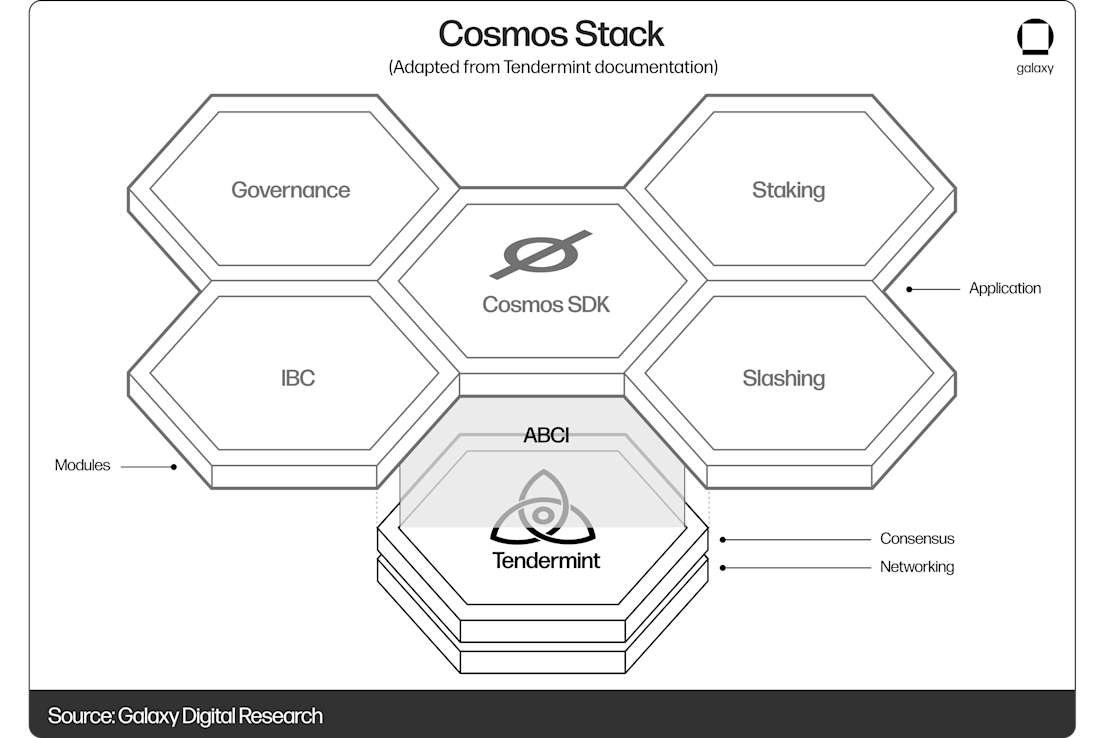
Building a Cosmos crypto DeFi infrastructure strategy starts with understanding the landscape. Cosmos isn't a single blockchain; it's a network of independent blockchains, or "zones," connected by the Inter-Blockchain Communication (IBC) protocol. Think of IBC as a standardized shipping container system for data and tokens. Instead of relying on centralized bridges that can be hacked or become bottlenecks, IBC allows zones to talk directly to each other securely and atomically.
Before committing capital, you need to map out which zones offer the risk-adjusted returns you're seeking. The ecosystem includes general-purpose chains like Cosmos Hub (ATOM), which acts as the security anchor, and specialized application-specific chains like Osmosis for decentralized trading or Celestia for data availability. Each zone has its own tokenomics, validator set, and risk profile.

Start by reviewing the Cosmos ecosystem overview to identify active zones. Look for chains with high Total Value Locked (TVL) relative to their market cap, as this often indicates strong utility. Avoid chains with low liquidity, as slippage can eat into your returns during transfers. Your goal is to find zones where the infrastructure is robust enough to handle your volume without excessive downtime or fees.
Once you've identified target zones, assess the interchain exposure. This means understanding how your assets move between chains. Are you bridging via IBC light clients (trust-minimized) or through centralized liquidity pools (higher risk)? Prioritize trust-minimized paths for large holdings. This foundational assessment ensures your strategy is built on secure, interoperable infrastructure rather than speculative hype.
Set up your interchain wallet
Your wallet is the gateway to the Cosmos ecosystem. Unlike isolated blockchains, Cosmos uses the Inter-Blockchain Communication protocol to allow different networks to talk to each other. To participate in cosmos crypto defi infrastructure, you need a wallet that understands these connections. Keplr is the standard choice because it supports the Cosmos SDK and many IBC-enabled chains out of the box.
Install and secure your wallet
Start by installing the Keplr browser extension from the official site. During setup, you will receive a 12-word recovery phrase. Write this down on paper and store it securely. Never share it or store it digitally. This phrase is the only way to recover your assets if you lose access to your device.
Download the Keplr extension from your browser's official store. Create a new wallet and save your recovery phrase offline. This phrase grants full control over your funds.
Open Keplr settings and add the Cosmos Hub network. This is the central chain in the Cosmos ecosystem. You can also add other IBC-enabled chains like Osmosis or Terra here for broader access.
Transfer ATOM from an exchange to your Keplr address. You will need ATOM to pay for transaction fees (gas) and to stake on the network. Ensure you send ATOM via the Cosmos Hub network, not ERC-20.
Verify your connection
Once funded, test your setup by sending a small amount of ATOM to another address. This confirms that your wallet can interact with the blockchain. Check the transaction on a block explorer like Mintscan to ensure it went through. A successful test transaction means your wallet is ready for more complex DeFi operations.
Deploy capital via IBC transfers
The Inter-Blockchain Communication protocol is the backbone of the Cosmos ecosystem, allowing distinct blockchains to talk to each other without relying on centralized bridges or wrapped tokens. Think of IBC as a standardized shipping container for digital assets: it ensures that your cosmos crypto defi infrastructure can move value across different zones securely and predictably. This interoperability is what allows you to leverage liquidity from one chain while utilizing the specific features of another.
To deploy capital effectively, you need to follow a precise sequence. This process minimizes the risk of loss, which is critical when handling high-stakes financial decisions. The following steps outline the standard workflow for moving assets between Cosmos zones.
Before moving any funds, ensure your wallet supports IBC. Most major Cosmos-compatible wallets like Keplr or Cosmostation have built-in IBC capabilities. You must add the specific chain ID of the destination zone to your wallet so it can recognize the receiving address. Without this configuration, the transaction will fail or send funds to an unrecognized network.
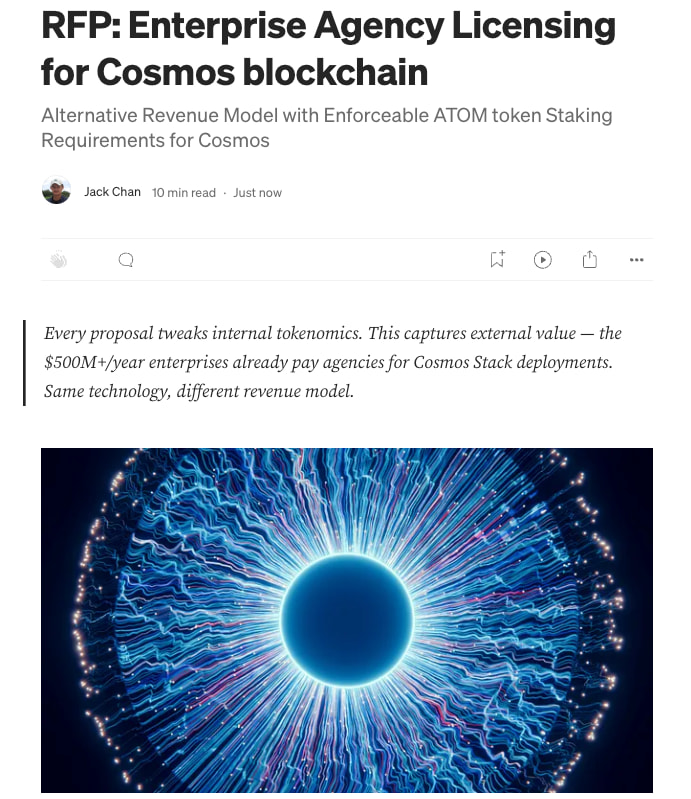
Double-check the chain ID and the network type (mainnet vs. testnet) of the receiving zone. IBC transfers are irreversible; if you send assets to the wrong chain ID, they are lost. Use official sources like cosmos.network to confirm the current active endpoints and chain identifiers for the zone you are targeting.
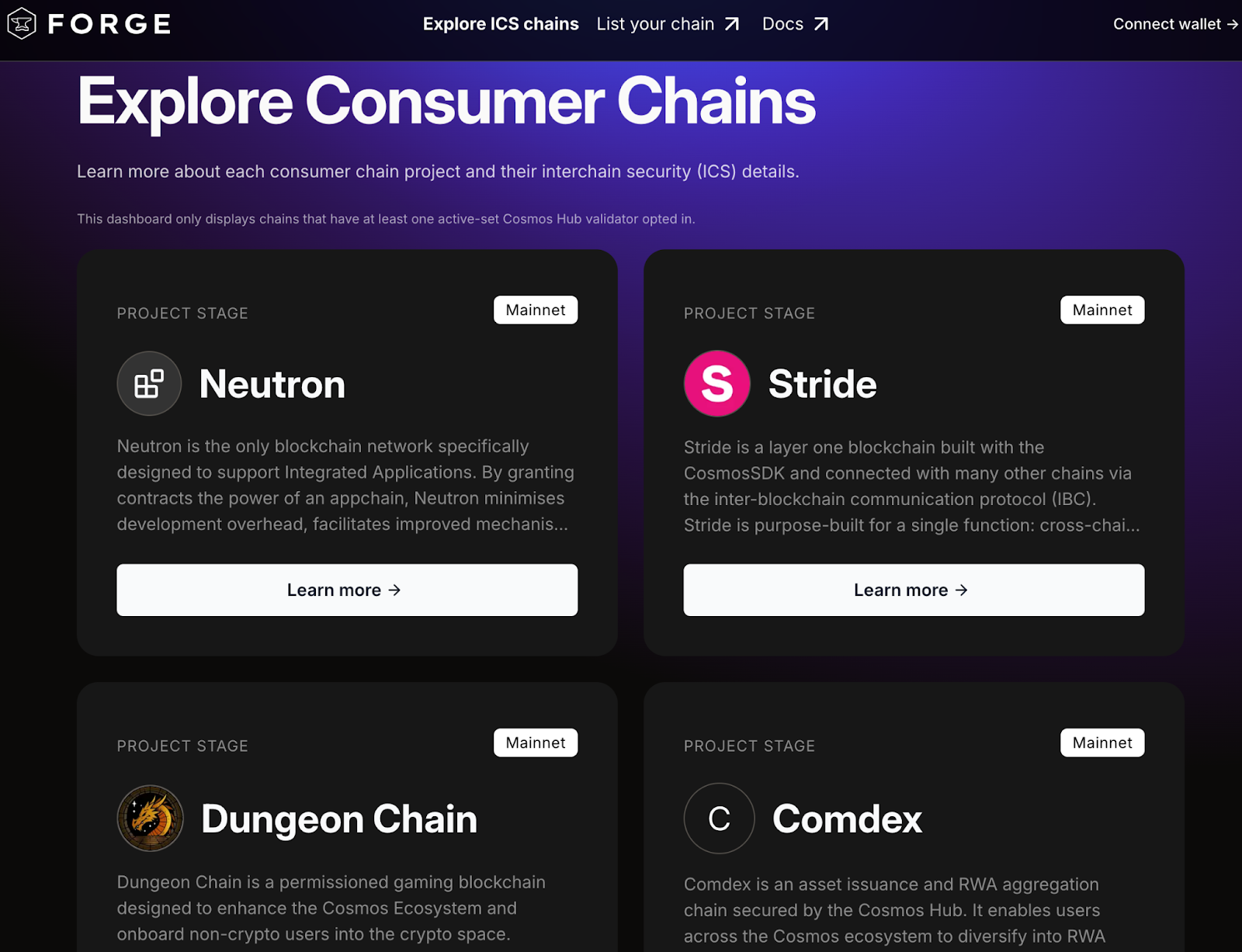
Enter the amount of tokens you wish to move and select the IBC transfer option rather than a standard native transfer. The wallet will display the estimated time and any relevant fees. IBC transfers typically take a few minutes to finalize, depending on the block times of the source and destination chains.
Review all details one last time before signing. Once signed, the transaction is broadcast to the source chain. You can monitor the status using a block explorer specific to the source chain. The assets will appear in your destination wallet only after the IBC packet has been relayed and verified by the receiving chain.
While IBC offers speed and cost advantages over traditional cross-chain bridges, it requires discipline. The Cosmos ecosystem is composed of independent zones, each with its own governance and security model. Understanding this structure is essential for maintaining a robust cosmos crypto defi infrastructure. By following these steps, you ensure that your capital moves efficiently across the network, ready for yield generation or further deployment.
Select yield-bearing protocols
Your cosmos crypto defi infrastructure strategy depends on matching specific applications to your risk tolerance. The ecosystem is split into independent blockchains called zones, connected by the Inter-Blockchain Communication protocol. This architecture allows you to choose where your capital lives, but it also means you are responsible for understanding the security model of each individual zone.
Start by evaluating the core lending and exchange protocols. Lending platforms like Kava or Neutrino allow you to earn yield by supplying assets, while decentralized exchanges (DEXs) like Osmosis provide liquidity rewards. These are the foundational layers of the ecosystem. When you interact with them, you are essentially locking capital into smart contracts that operate independently of the Cosmos Hub. This separation is powerful but requires you to assess the audit history and community governance of each specific project.

For those seeking higher yields, look toward specialized DeFi hubs. The Cosmos ecosystem is developing dedicated chains for complex financial products, such as the proposed DeFi Hub supported by Galaxy Digital. These hubs often leverage CosmWasm smart contracts to offer features like full Interchain Queries, allowing assets to move securely between zones. However, newer or more complex protocols carry higher smart contract risk. Always verify that a protocol has undergone rigorous security audits before allocating significant capital.
Use the ATOM/USD chart below to gauge historical volatility. High volatility can erode yields if the underlying asset drops in value faster than the interest accrues. This context helps you decide whether to stake stablecoins or volatile assets within the Cosmos ecosystem.
Audit your interchain positions
Treating your cosmos crypto defi infrastructure like a set-and-forget wallet is a fast track to exposure. Because you are operating across multiple zones, a vulnerability in one chain can ripple through your entire portfolio. You need a structured way to monitor smart contract risks, validator performance, and governance activity.
Start by verifying the health of the validators securing your staked assets. Check their uptime and slashing history directly on the blockchain explorer. If a validator you support goes offline or gets slashed, your returns drop immediately. Next, review any active governance proposals. Voting is not just civic duty; it is risk management. A proposal to upgrade a protocol you use could change fee structures or security parameters overnight.
Finally, audit the smart contracts you interact with. Look for recent audits from reputable firms and check for any active exploits or bugs reported on forums. This is not a one-time task. Set a weekly reminder to scan these three areas. Keeping your infrastructure secure requires the same attention you would give to a traditional bank account.
Common cosmos defi: what to check next
Building a Cosmos DeFi infrastructure strategy requires navigating specific technical and security realities. The ecosystem’s modular design offers flexibility, but it introduces unique considerations for liquidity and cross-chain security.
Is the Inter-Blockchain Communication protocol safe?
IBC is the standard for secure, trustless communication between independent blockchains. It uses light clients to verify transactions across chains, ensuring that assets moving between Cosmos zones remain secure. However, security also depends on the individual chains you interact with. Always verify that the receiving zone has robust validator sets and active governance.
How do I handle liquidity across different Cosmos zones?
Liquidity in Cosmos is fragmented by design. Each zone manages its own pool, meaning you cannot assume deep liquidity across the entire network. Use decentralized exchanges (DEXs) like Osmosis to bridge liquidity gaps. When building your infrastructure, calculate slippage for each specific pair rather than relying on aggregate network metrics.
What are the technical barriers to entry?
The primary barrier is understanding the IBC transfer process. Unlike centralized exchanges, you must manage private keys and understand gas fees on both the source and destination chains. Use wallets that support IBC natively, such as Keplr or Cosmos Hub’s official wallet, to streamline the setup and transfer sequence.
No comments yet. Be the first to share your thoughts!