Why Cosmos Crypto DeFi Infrastructure Matters
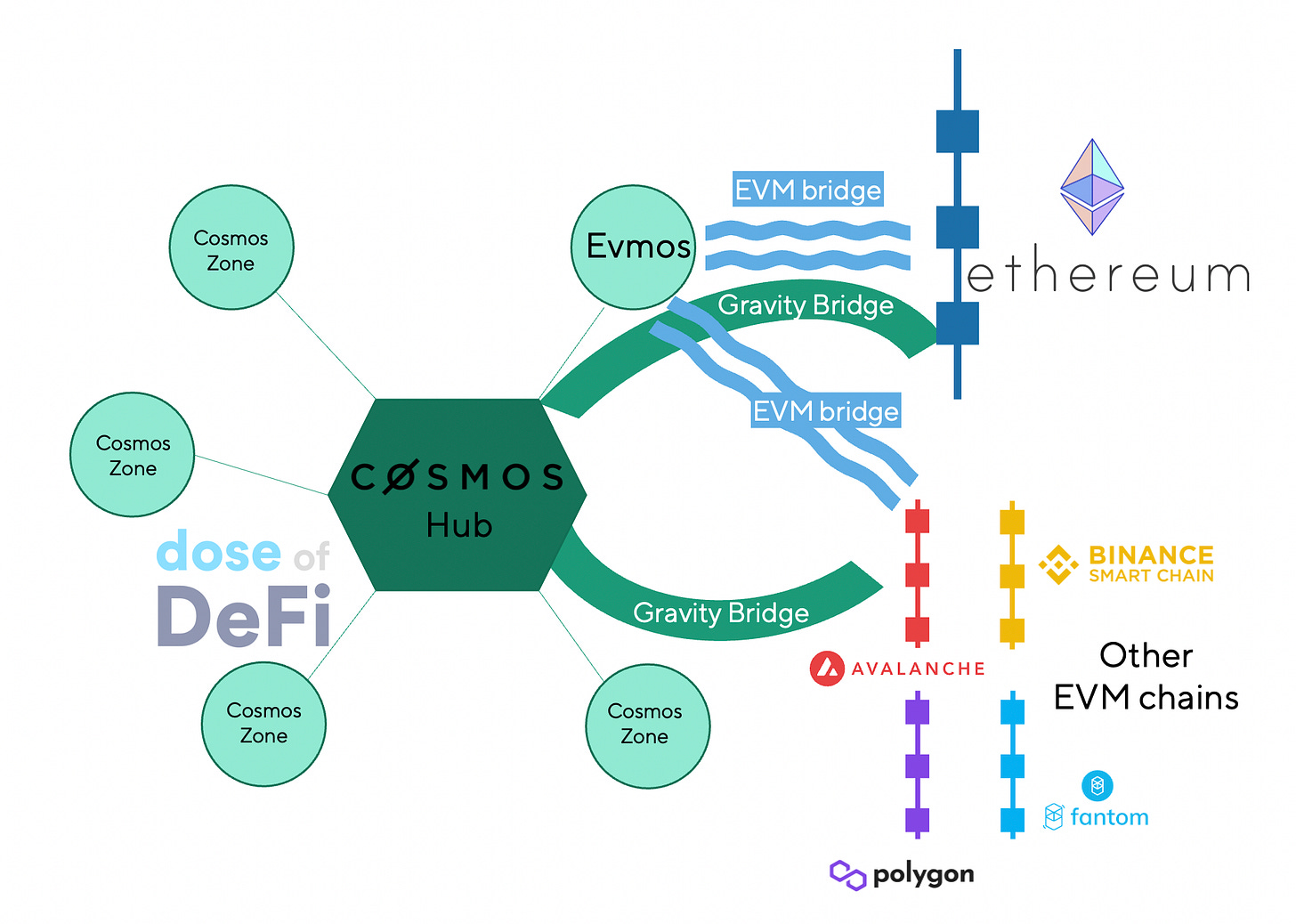
Most blockchains operate as isolated islands. You can build a robust application on Ethereum, Solana, or Binance Smart Chain, but moving assets or data between them usually requires trusting a centralized bridge or a complex wrapped-token scheme. These bridges have become the single largest point of failure in crypto, responsible for the majority of DeFi hacks and billions in lost funds. Cosmos offers a different architectural approach. Instead of forcing every chain to compete for the same security and liquidity, it provides an interoperable infrastructure layer that allows independent blockchains to communicate natively.
At the core of this system is the Inter-Blockchain Communication (IBC) protocol. IBC is not an add-on; it is a standardized set of rules that lets sovereign chains send packets of data and tokens to one another with cryptographic proof of delivery. This means a DeFi application built on one Cosmos SDK chain can access liquidity from another without relying on third-party custodians. The result is a network of networks where capital and functionality can flow freely, creating a more resilient ecosystem than any single monolithic L1 could achieve alone.
This structure fundamentally changes how institutions and developers approach DeFi. As noted by Kraken, Cosmos aims to create a network of crypto networks united by open-source tools for streamlining transactions. For the Cosmos Crypto DeFi infrastructure, this means that liquidity is no longer trapped in silos. Developers can build specialized chains for specific use cases—like high-speed trading or private transactions—while still tapping into the deep liquidity pools of the broader ecosystem. This interoperability reduces friction and enhances capital efficiency, making the entire Cosmos ecosystem more attractive for serious financial applications.
The value proposition is clear: sovereignty without isolation. Chains retain their own governance, tokenomics, and consensus mechanisms, yet they are not cut off from the rest of the market. This balance is critical for the future of DeFi, where the ability to move assets securely and instantly between specialized environments will determine which platforms capture the most value.
Interchain Security as the Core Layer
Most blockchains launch with a heavy burden: they must bootstrap their own validator set and security model from scratch. This creates a high barrier to entry for new sovereign chains and often results in fragmented liquidity. Cosmos Crypto DeFi infrastructure solves this through Interchain Security (also known as the Consumer-Provider model), allowing new chains to inherit the robust security of the Cosmos Hub.
Interchain Security transforms how new zones enter the market. Instead of spending months recruiting validators and building trust, a new chain can "rent" the economic security of the Hub. This means the Hub's validators secure multiple consumer chains simultaneously. For developers, this lowers the cost of launching a sovereign DeFi chain significantly. For users, it means their assets on a new chain are protected by the same economic stake that secures the largest network in the Cosmos ecosystem.
This shared security model is a key differentiator in the current landscape. It allows chains to focus on application-specific innovation rather than reinventing consensus mechanisms. The result is a more interoperable and secure environment where liquidity can flow more freely between sovereign zones. By leveraging the Hub's validator set, new chains gain immediate credibility and protection against attacks that might otherwise cripple a nascent network.
The economic implications are profound. Validators on the Hub earn additional rewards by securing consumer chains, which incentivizes them to maintain high performance and security standards across the entire network. This creates a positive feedback loop: more chains join, more security is pooled, and the overall resilience of the Cosmos Crypto DeFi infrastructure increases. It is a practical solution to the "security trilemma," allowing chains to remain sovereign while benefiting from collective strength.
The five pillars of Cosmos crypto DeFi infrastructure
The Cosmos ecosystem doesn't rely on a single monolithic chain to handle its liquidity. Instead, it functions as a modular stack where distinct tools solve specific interoperability and security problems. Understanding these five components is essential for any developer or investor looking at Cosmos crypto DeFi infrastructure. Each piece plays a unique role in keeping capital fluid across sovereign zones.
1. IBC Relayers
The Inter-Blockchain Communication (IBC) protocol is the backbone of the network, but it doesn't move data automatically. IBC relayers are the off-chain software agents that verify proofs and transmit packets between chains. Without them, the "Internet of Blockchains" is just a collection of isolated islands. These relayers ensure that assets and messages cross boundaries securely, enabling the cross-chain swaps that define the ecosystem.
2. Liquid Staking Derivatives (LSDs)
Staked ATOM is the fuel for Cosmos security, but locked tokens are dead capital. Liquid Staking Derivatives solve this by issuing a tradable token that represents the staked asset. This allows users to earn security rewards while simultaneously using the derivative in lending markets or liquidity pools. It transforms passive staking into active, productive liquidity without compromising the network's validator set.
3. Interchain Accounts (ICA)
Interchain Accounts allow one chain to control accounts on another chain programmatically. This eliminates the need for manual bridging or complex multi-signature setups for cross-chain interactions. Developers can execute transactions on remote chains directly from their home chain, streamlining operations for DeFi protocols that need to interact with multiple zones simultaneously.
4. Governance DAOs
Cosmos chains are sovereign, meaning each network sets its own rules and parameters. Governance DAOs are the mechanism through which token holders vote on these changes, from software upgrades to treasury allocations. This decentralized decision-making process ensures that infrastructure evolves according to the community's needs rather than a central authority, maintaining the trustless nature of the network.
5. Chain Builders
The Cosmos SDK provides the toolkit for creating new blockchains. Chain builders use this framework to launch specialized zones tailored to specific use cases, from high-throughput gaming networks to privacy-focused finance protocols. This modularity allows the ecosystem to scale horizontally, adding new layers of functionality without congesting the core hub.
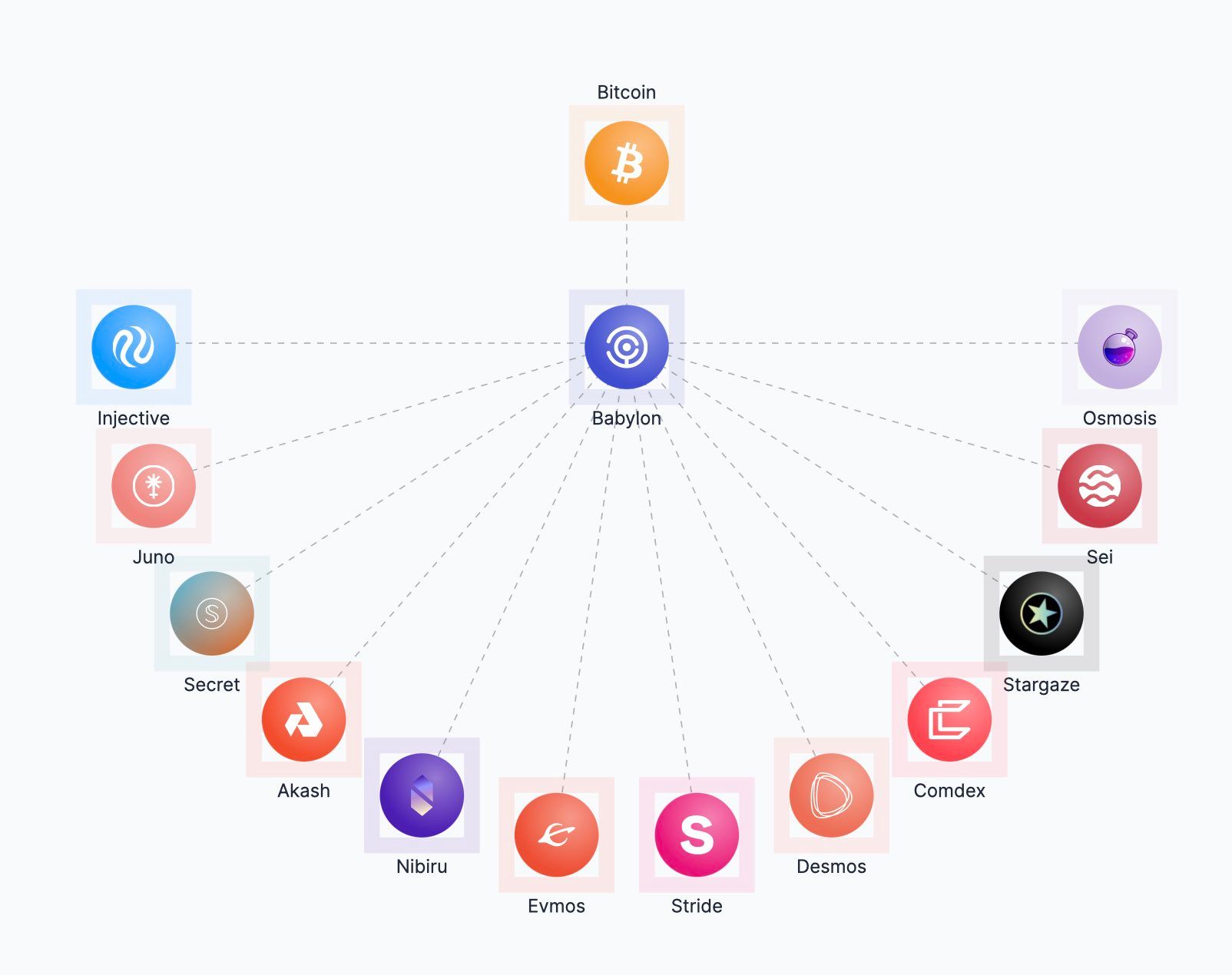
| Infrastructure Tool | Primary Function | Security Model | Primary Use Case |
|---|---|---|---|
| IBC Relayers | Packet Transmission | Light Client Verification | Cross-chain data transfer |
| Liquid Staking | Asset Liquidity | Validator Slashing Risks | DeFi yield generation |
| Interchain Accounts | Remote Control | Source Chain Signatures | Automated cross-chain ops |
| Governance DAOs | Policy Making | Token-weighted Voting | Network parameter updates |
| Chain Builders | Zone Creation | Independent Consensus | Specialized app-chains |
Liquid staking trends in the Cosmos ecosystem
Liquid staking has become a foundational layer for Cosmos crypto DeFi infrastructure, addressing the core inefficiency of idle capital. When validators secure the network, staked assets are typically locked, removing them from active circulation. Liquid staking protocols solve this by issuing a derivative token that represents the staked asset and its accrued rewards. This mechanism allows users to earn yield while simultaneously using their position as collateral across the interchain.
The result is a significant boost in capital efficiency for DeFi protocols. Instead of leaving assets dormant, participants can deploy liquid staked tokens (LSTs) into lending markets, liquidity pools, or yield aggregators. This creates a multi-layered utility for the same underlying capital, strengthening the liquidity depth of the entire Cosmos ecosystem. The interoperability of the IBC further amplifies this effect, allowing these derivatives to flow freely between sovereign blockchains.
The market response to this trend is evident in the trading volume of major LSTs. Protocols like Juno’s JunoStake and Osmosis’s OSOM have demonstrated how localized staking derivatives can capture specific community liquidity. As the ecosystem matures, the integration of these liquid assets into cross-chain lending markets is becoming standard, turning static staking into a dynamic, productive force within the broader Cosmos crypto DeFi infrastructure.
Cosmos market trends and technical outlook
The Cosmos (ATOM) token operates as the economic layer for its sovereign, interoperable network. Recent price action reflects the broader market's assessment of interchain liquidity demand. The network's ability to facilitate secure cross-chain communication via the Inter-Blockchain Communication (IBC) protocol remains its primary value driver.
Institutional interest in Cosmos infrastructure has grown alongside the expansion of the interchain ecosystem. As more chains adopt Cosmos SDK for customizable blockchains, the utility of ATOM for governance and staking increases. This structural demand often decouples Cosmos from pure speculative cycles, anchoring its value to network usage metrics.

Strategic Checklist for Infrastructure Users
Before committing capital or engineering resources to Cosmos crypto DeFi infrastructure, treat due diligence as a continuous process rather than a one-time check. The ecosystem’s strength lies in its sovereign, interoperable design, but that flexibility requires rigorous verification of individual chain health and protocol security.

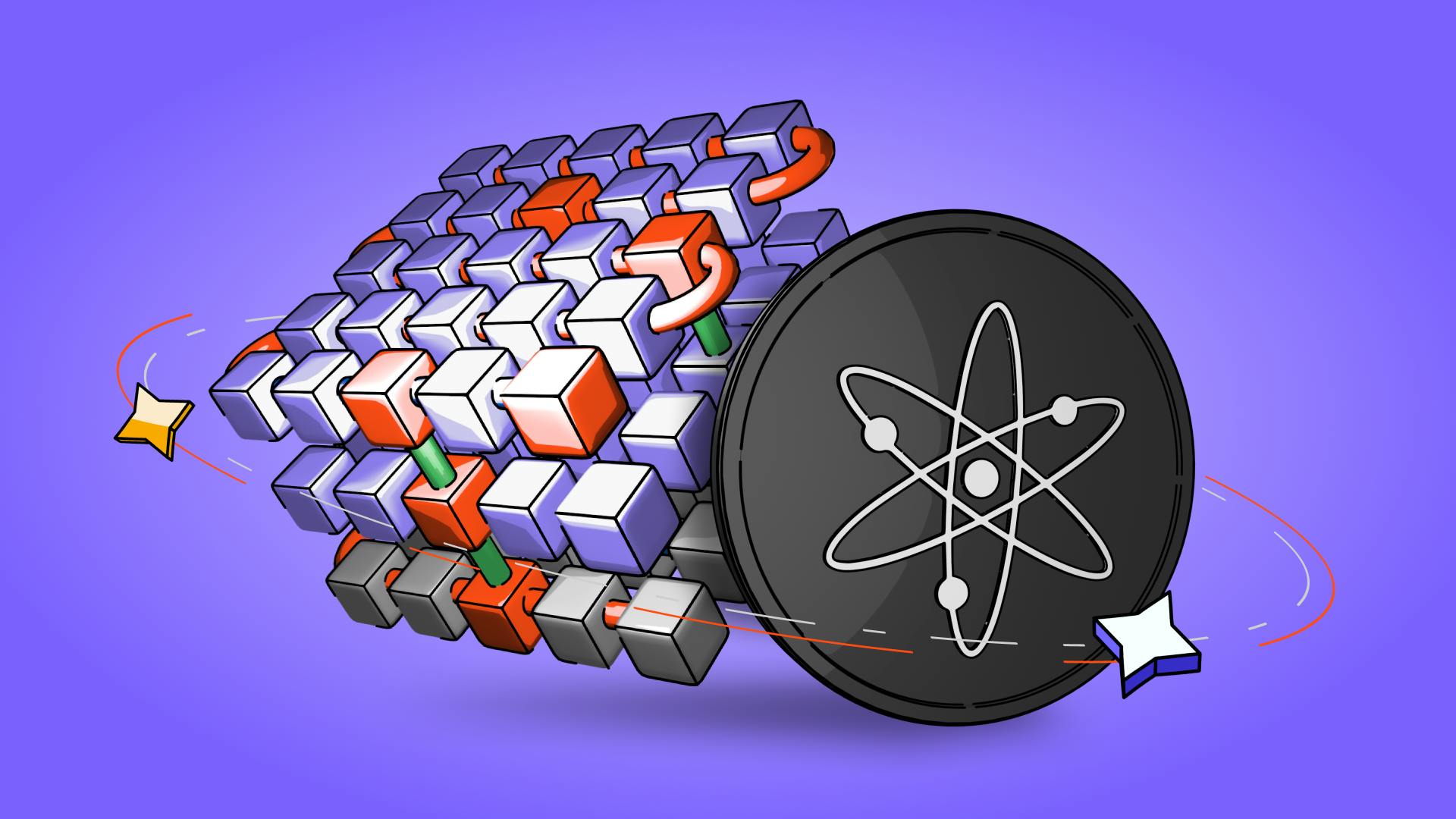
A disciplined approach to these checks helps mitigate risk in a high-stakes environment. By focusing on verifiable technical standards and transparent governance, you can better understand the complexities of the Cosmos ecosystem.
Helpful gear
Use these product recommendations as a starting point, then choose the size, material, and price point that fit how you actually use the gear.


As an Amazon Associate, we may earn from qualifying purchases.
No comments yet. Be the first to share your thoughts!