Set up your Cosmos wallet
Before you interact with any interchain yield opportunities, you need a wallet that speaks the Cosmos language. The standard entry point is Keplr, a browser extension and mobile app designed specifically for the Cosmos ecosystem. It manages your private keys and allows you to sign transactions across multiple chains without leaving your browser.
Because you are handling financial assets in a high-stakes environment, security is not optional. A compromised wallet means lost funds with no customer support to call. Treat your seed phrase like a physical safe combination: write it down on paper, store it offline, and never digitize it. If a website or support agent asks for your 12-word recovery phrase, it is a scam.
Install and secure Keplr
- Download the official extension. Visit the Keplr website or the official Chrome Web Store listing. Avoid third-party download links. Install the extension to your browser.
- Create a new wallet. Click "Create New Wallet." Choose a strong password for the extension itself. This password only unlocks the app locally; it does not recover your funds.
- Write down your seed phrase. Keplr will display 12 words. Write them in exact order on paper. Store this paper in a secure, offline location. Do not take a screenshot, save it in a notes app, or email it to yourself.
- Verify your setup. Keplr will ask you to re-enter the words to confirm you recorded them correctly. This step prevents costly errors if you lose access to your device later.
Once your wallet is set up, you will need ATOM tokens to pay for transaction fees (gas) on the Cosmos Hub. You can buy ATOM on major exchanges like Coinbase or Binance and withdraw it to your Keplr address. For a live view of ATOM's current price, which fluctuates constantly, check the widget below.
Enable chain support
Keplr supports many chains in the Cosmos ecosystem, but you may need to manually enable access to specific networks depending on where you plan to stake or bridge assets.
- Open Keplr settings. Click the Keplr extension icon in your browser and click the settings gear.
- Find the chain. Search for the specific blockchain you want to use (e.g., Osmosis, Celestia, or the Cosmos Hub).
- Toggle access. Switch the toggle to "Enable" for that chain. This allows Keplr to sign transactions for that specific network.
If you are new to Cosmos, start with the Cosmos Hub. It is the central hub of the ecosystem, as described in official Cosmos documentation, and serves as the primary gateway to other chains via IBC (Inter-Blockchain Communication). Keep your wallet updated to ensure you have the latest security patches and network configurations.
Bridge assets via IBC
The Inter-Blockchain Communication (IBC) protocol is the backbone of the Cosmos ecosystem. It allows different blockchains to send messages and value to each other without a central intermediary. Moving assets from Ethereum or centralized exchanges into this network requires a bridge, which acts as a gateway. Because bridges are frequent targets for exploits, choosing a secure path is the most important step in your setup.
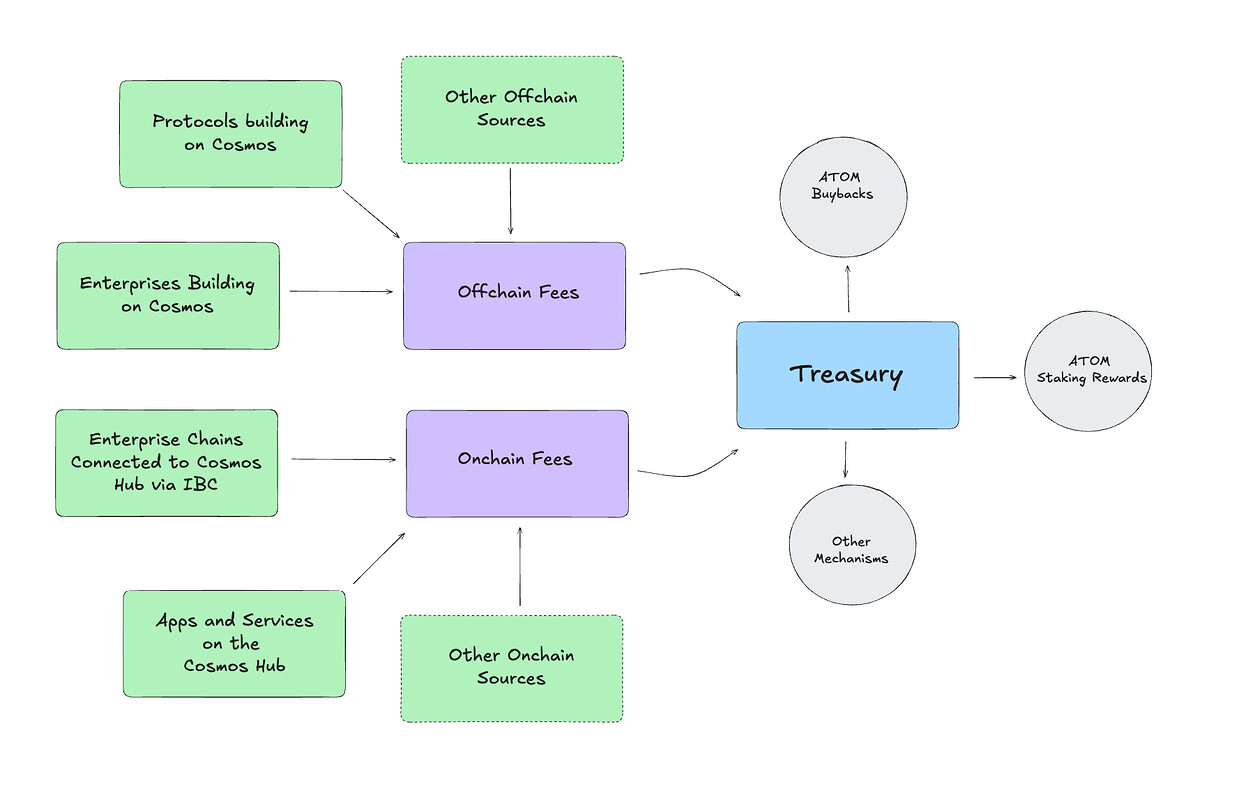
Start with the official Cosmos Hub Bridge or a reputable aggregator like Portal. These platforms have established security audits and higher liquidity. Avoid lesser-known bridges that promise unusually high speeds or lower fees, as these often indicate higher risk. Always verify the URL to ensure you are on the legitimate site.

Connect a compatible wallet such as Keplr or Leap to the bridge interface. Ensure your wallet is configured for the correct network (e.g., Ethereum Mainnet for ETH deposits). Double-check that you are connecting to the correct chain before proceeding. A mismatched network can lead to lost funds if you send assets to the wrong address space.
Select the asset you want to bridge (e.g., ETH, USDC) and enter the amount. Review the estimated fees and the destination chain (usually Cosmos Hub or a specific IBC zone). Confirm the transaction in your wallet. The bridge will lock your assets on the source chain and mint or release the corresponding tokens on the Cosmos side.
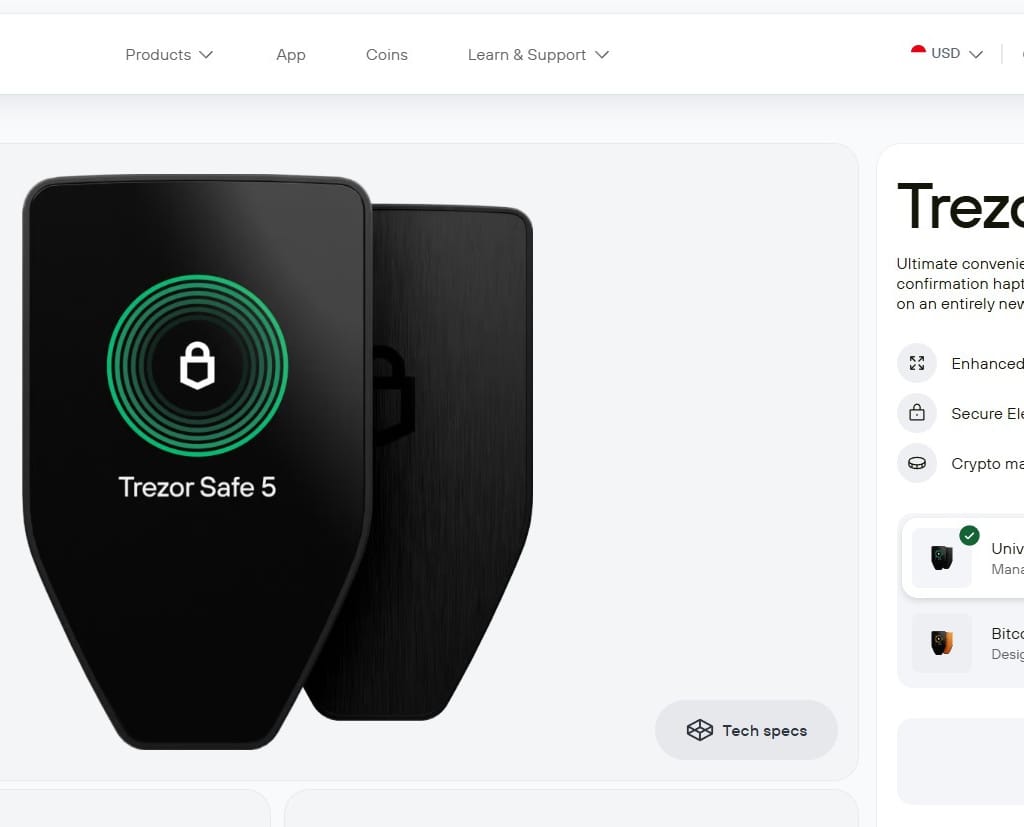
Once the transaction is confirmed, check your Cosmos Hub wallet for the received tokens. If using IBC, the transfer may take a few minutes to finalize as it passes through relayers. You can track the status on the Cosmos Hub explorer or the bridge interface. Ensure the token symbol matches what you expected before interacting with any DeFi protocol.
After bridging, your assets are now on the Cosmos network, ready for staking or lending. Remember that IBC transfers are irreversible. If you send assets to the wrong address or through an unsupported bridge, recovery is rarely possible. Treat this initial transfer with the same caution as any high-stakes financial transaction.
Stake ATOM for network security
Staking ATOM is the most direct way to participate in the Cosmos Hub while earning yield. When you stake your tokens, you are not just generating passive income; you are actively securing the network. Your validator helps validate transactions and maintain the integrity of the Cosmos Hub, and in return, you receive a portion of the block rewards and transaction fees.
Think of staking like placing a bet on the network's success. The more ATOM you stake with a reliable validator, the more influence you have over the ecosystem's future, and the higher your potential rewards. However, this is not a set-it-and-forget-it investment. The mechanics of staking involve real risks, particularly around validator performance and network governance.
Choosing the right validator is critical. You should look for validators who maintain high uptime, charge reasonable commissions, and actively participate in governance. Most wallets, such as Keplr or Leap, allow you to browse validators, compare their performance metrics, and delegate your ATOM directly. This process is straightforward, but due diligence is essential to avoid poor-performing operators.
Once you have selected a validator, you can delegate your ATOM through your wallet interface. The rewards are typically distributed automatically and compound over time if you restake them. Remember that staked ATOM is generally locked for a short unbonding period (usually 21 days) if you decide to withdraw, so ensure you have enough liquid funds for immediate needs before committing your assets to the network.
Explore DeFi protocols on Cosmos
The Cosmos ecosystem offers more than just staking ATOM. It hosts a variety of decentralized finance (DeFi) protocols that allow you to lend, borrow, and trade assets across different blockchains. These applications leverage the Inter-Blockchain Communication (IBC) protocol to move value freely between chains.
However, high yields often come with higher risks. Impermanent loss, smart contract vulnerabilities, and bridge risks are real concerns. Always read the official documentation for any protocol before connecting your wallet.
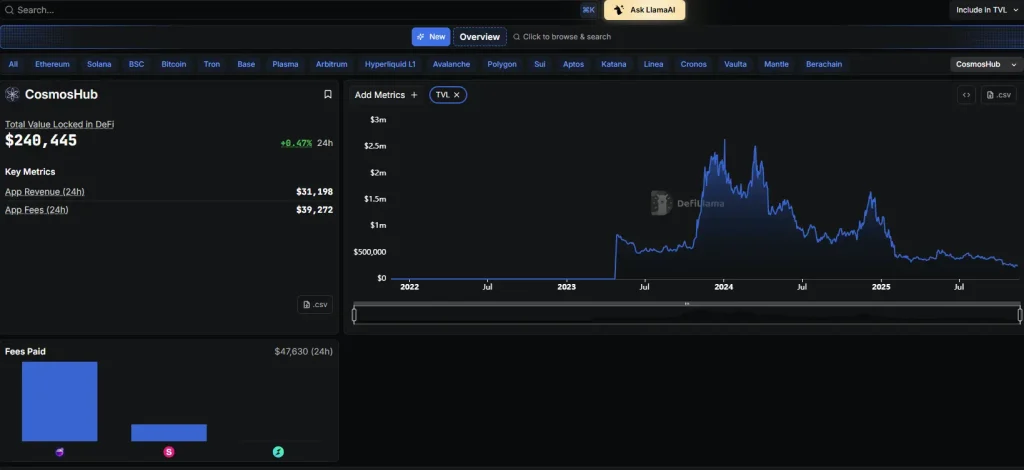
Osmosis
Osmosis is the leading decentralized exchange (DEX) on Cosmos. It uses a concentrated liquidity model similar to Uniswap V3, allowing users to provide liquidity to specific price ranges. This can generate higher yields than traditional automated market makers but requires active management.
You can also stake OSMO tokens to earn rewards from trading fees and inflation. The protocol is fully on-chain, meaning governance decisions are made by token holders. Check the Osmosis documentation for detailed guides on liquidity provision.
dYdX
dYdX has migrated to its own Cosmos SDK chain, offering a high-performance environment for perpetual futures trading. It provides a centralized-exchange-like experience but with full custody of your funds. Traders can use up to 20x leverage on various crypto pairs.
While dYdX offers sophisticated trading tools, it is primarily a trading venue rather than a yield farm. The native token, DYDX, can be staked to earn a share of protocol revenue. Understand the liquidation risks before using leverage. Refer to the dYdX v4 documentation for trading mechanics.
Other Notable Protocols
Several other projects operate within the Cosmos ecosystem, each serving a specific niche:
- Kava: Offers lending and borrowing services with cross-chain asset support.
- Certik: Focuses on security auditing and blockchain infrastructure.
- Axelar: Provides a general message passing protocol for cross-chain communication.
These platforms vary in maturity and security audits. Always verify the contract addresses and audit reports before interacting with new protocols.
Avoid common bridge mistakes
Cross-chain transfers are the most fragile part of interchain yield. A single misstep can lock your assets or expose them to smart contract vulnerabilities. Treat every bridge as a trust boundary, not a guaranteed pipeline.
The most frequent error is selecting the wrong bridge for the specific asset or chain pair. Not all bridges support every Cosmos SDK chain or token standard. Always verify the bridge’s official documentation and supported networks before initiating a transfer. Using an unofficial or deprecated bridge increases the risk of smart contract exploits or loss of liquidity.
Another critical pitfall is ignoring transaction finality times. Cosmos chains settle quickly, but external bridges may take minutes or hours. Confirm the expected completion time and ensure your wallet is unlocked and ready to receive the funds. Rushing to check status before finality is confirmed often leads to duplicate transactions or confusion.
Finally, never approve unlimited token allowances on unverified smart contracts. When bridging or interacting with DeFi protocols, review the contract permissions carefully. Revoke unnecessary approvals regularly using tools like Cosmos Wallet’s built-in security features or trusted third-party auditors. This simple habit prevents unauthorized drains of your portfolio.
Check your positions regularly
Cosmos is a decentralized network of independent, scalable, and interoperable blockchains, creating an ecosystem where highly customizable and performant chains interact. This interconnectivity is powerful, but it introduces unique risks that static investments don't face. Your yield isn't just a number; it's a moving target influenced by protocol health, liquidity dynamics, and cross-chain security. Treating your staking or liquidity provision as a "set and forget" activity is a common mistake in the interchain space.
You need to monitor three specific areas to protect your capital. First, track your staking rewards. While the Cosmos Hub offers competitive rates, validator performance varies. A validator going offline or acting maliciously can result in slashing penalties, directly eating into your principal. Regularly check the Cosmos Hub explorer to ensure your delegated stake is with a reliable operator.
Second, watch for impermanent loss in liquidity pools. If you are providing liquidity to a pool on a DEX like Osmosis, the ratio of assets changes as prices move. This can result in you holding less value than if you had just staked the assets individually. Keep an eye on the pool's composition to decide when to rebalance or withdraw.
Third, assess protocol health. Smart contract vulnerabilities or governance attacks can drain funds. Stay updated on official announcements from the projects you interact with. If a protocol shows signs of distress, exiting early is often better than waiting for a recovery that may never come.
-
Verify validator status and uptime on the Cosmos Hub explorer
-
Monitor liquidity pool ratios for signs of impermanent loss
-
Review official governance proposals and security updates
-
Rebalance or withdraw positions if risk thresholds are exceeded
Can Cosmos ATOM hit $500?
Predicting a specific price target like $500 for ATOM is speculative. The crypto market is highly volatile, and no one can say with certainty when or if Cosmos will reach that level. It might take a few months during a bull run, or it could take ten years—or never happen at all.
Instead of chasing arbitrary price targets, focus on the network's fundamentals. ATOM's value is tied to the health of the Interchain ecosystem, staking yields, and the adoption of IBC (Inter-Blockchain Communication). If you believe in the long-term utility of a connected blockchain future, ATOM may have upside potential, but it comes with significant risk.
Manage your expectations and risk accordingly. Never invest more than you can afford to lose, and rely on official Cosmos Hub documentation for accurate technical updates rather than social media hype.
No comments yet. Be the first to share your thoughts!