Why Cosmos infrastructure matters now
Cosmos is shifting from a standalone chain to an interchain infrastructure provider. This transition creates new yield opportunities for DeFi strategies that rely on cross-chain liquidity and modular security. The network no longer competes with other blockchains; it connects them.
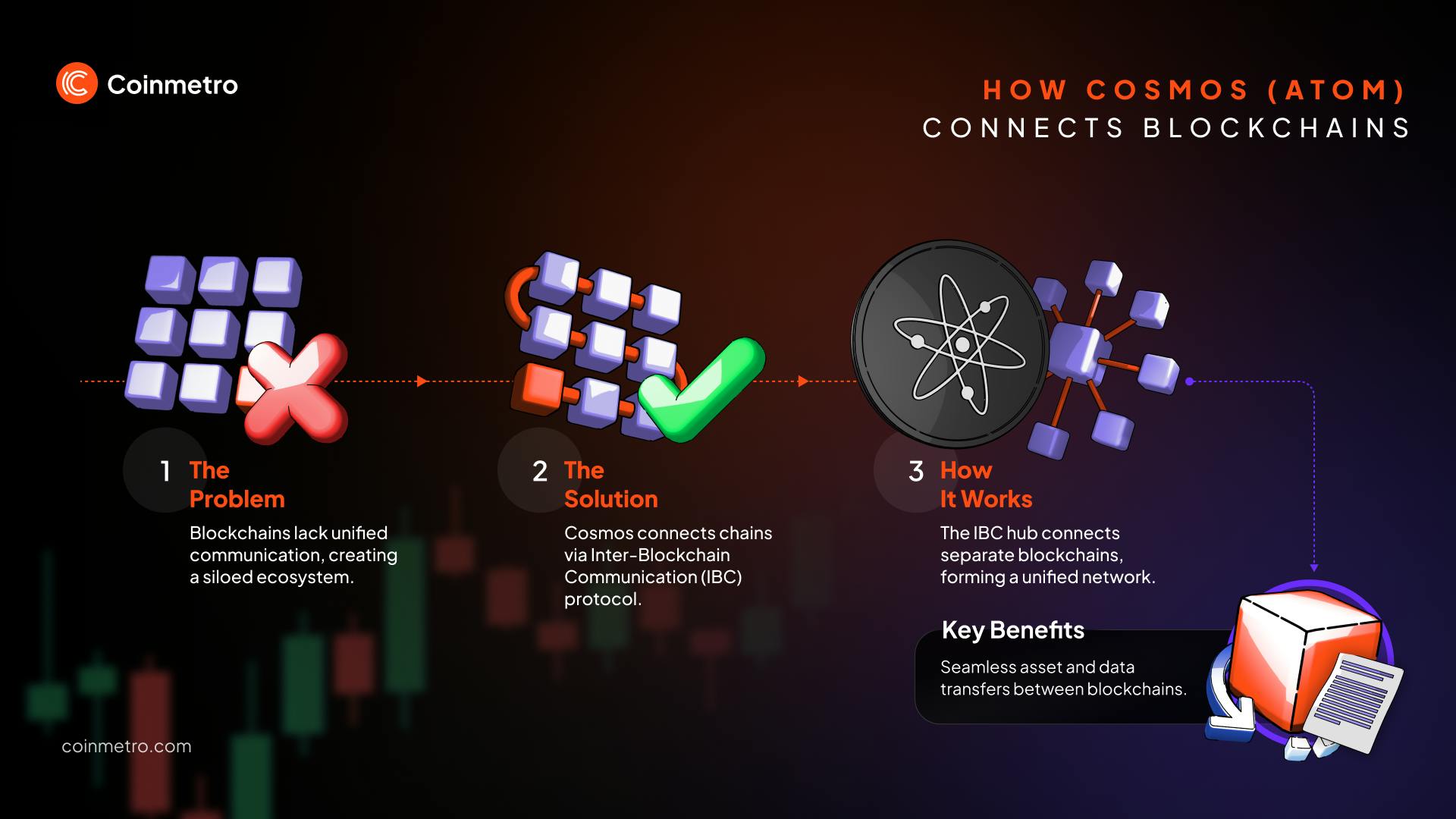
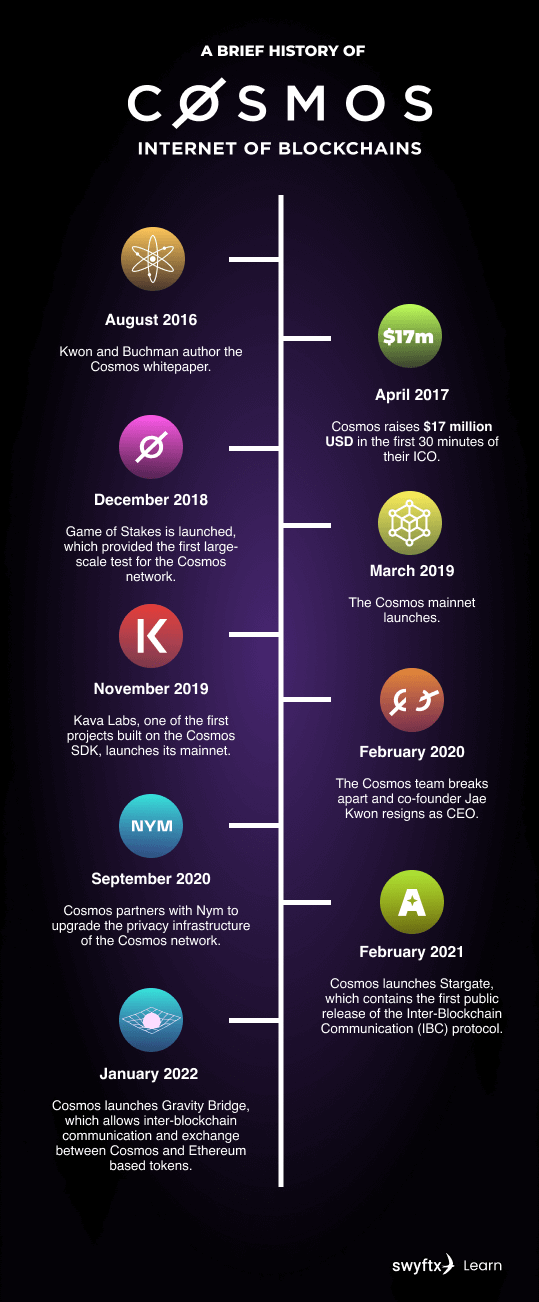
The core value lies in the Inter-Blockchain Communication (IBC) protocol. IBC allows independent blockchains to exchange data and assets without intermediaries. This reduces friction and cost, making it easier for institutions to deploy on-chain strategies. As noted by Cosmos, the platform enables enterprise-grade decentralized asset management, allowing fund managers to reach broader investment opportunities.
This structural change impacts how capital flows. Instead of locking funds in isolated ecosystems, capital can move freely between chains that share security and standards. For DeFi, this means deeper liquidity pools and more sophisticated yield farming strategies. The infrastructure upgrades support this by enhancing performance and scalability, ensuring the network can handle increased institutional demand.
Interchain security and liquidity hubs
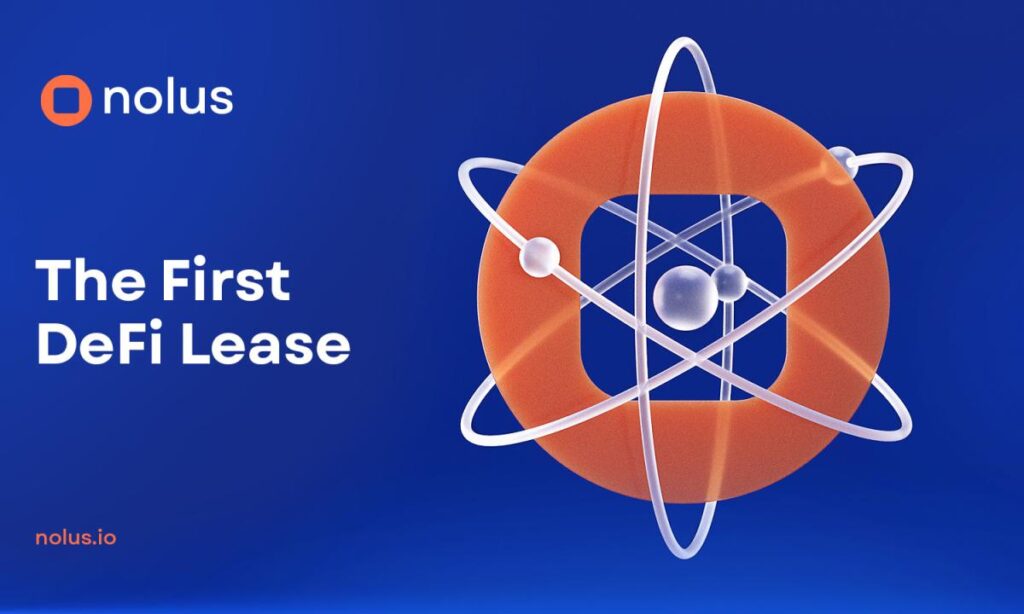
Interchain Security (ICS) and liquidity hubs form the backbone of a high-yield Cosmos DeFi strategy. ICS allows independent blockchains to lease ATOM staking power, creating a shared security model that reduces individual chain risks. This infrastructure upgrade enables smaller chains to launch with institutional-grade security without building their own validator sets from scratch.
Liquidity hubs like Osmosis and Kava aggregate this secured capital. Osmosis serves as the primary decentralized exchange, facilitating deep liquidity pools for cross-chain assets. Kava integrates DeFi primitives with real-world asset lending, offering diversified yield sources. Together, they create a resilient ecosystem where capital flows efficiently between secured chains.
Comparing these hubs helps identify the best risk-adjusted returns. Osmosis offers higher yields through concentrated liquidity but carries impermanent loss risks. Kava provides more stable yields via lending protocols but with lower overall TVL growth. Neutron, leveraging ICS, offers native security for smart contracts, appealing to developers seeking robust infrastructure.
| Chain | TVL | Yield Type | Risk Profile |
|---|---|---|---|
| Osmosis | $1.2B | Liquidity Provision | Medium |
| Kava | $800M | Lending & Staking | Low |
| Neutron | $400M | Native Staking | Medium |
TechnicalChart symbol="BINANCE:ATOMUSDT" chartStyle="candle" interval="1D" indicators='["volume"]' />
ATOM Price Action and Market Position
Understanding the current technical landscape for Cosmos (ATOM) requires looking beyond headline volatility. The asset has spent significant time in what analysts call the "Accumulation Zone," a phase where price action consolidates before potential trend shifts. This period tests patience, mirroring the broader sentiment shifts seen across the crypto market following major structural events like the Terra collapse.
Look for consistent buying pressure at key historical lows. These levels often act as the floor during market dips, providing entry points for long-term DeFi strategies.
Sustained moves above immediate resistance indicate shifting momentum. Breakouts often require volume confirmation to distinguish between false signals and genuine trend reversals.
Yield availability, such as the ~19% APY offered by major exchanges like Kraken, influences holder behavior. High yields can reduce circulating supply, impacting price dynamics.
The path to higher valuations, such as the $10 target often discussed by community analysts, is rarely linear. It typically involves a slow, zig-zagged progression spanning multiple quarters. Traders should view these fluctuations as part of a broader cycle rather than isolated events.
While short-term price predictions vary, the structural focus remains on infrastructure upgrades and interoperability gains. These fundamentals support the long-term thesis, even if immediate price action remains range-bound.
Staking yields and risk management
Earning yield on Cosmos (ATOM) requires balancing the high returns of liquid staking against the real threat of slashing and impermanent loss. The Cosmos ecosystem uses Bonded Proof-of-Stake (BPoS), where validators secure the network in exchange for rewards. For individual holders, the most direct path to yield is delegating ATOM to a validator, but this approach carries specific risks that require active management.

Start by selecting a validator with a track record of uptime and reasonable commission rates. Avoid validators with high commission structures or those that have experienced downtime, as these factors directly impact your net yield. Reputable validators often publish their performance metrics transparently, allowing you to verify their reliability before committing capital.

Liquid staking derivatives (LSDs) like ATOMx or stATOM allow you to earn staking rewards while maintaining liquidity. These tokens represent your staked ATOM and can be used in other DeFi protocols to generate additional yield. However, LSDs introduce smart contract risk and potential depegging events, which can erode value if the underlying asset drops in price or if the derivative loses its peg.
Do not concentrate all your staked assets in a single protocol or validator. Diversification reduces the impact of a single point of failure, such as a validator slashing event or a protocol exploit. By spreading your exposure across multiple validators and liquid staking providers, you mitigate the risk of total loss while still capturing yield from the broader Cosmos ecosystem.
Slashing occurs when a validator fails to perform its duties, such as going offline or double-signing. While most delegators are not fully slashed, a portion of their stake can be penalized. Stay informed about the slashing policies of your chosen validators and consider using insurance protocols or diversifying to minimize potential losses from slashing events.
Yield rates and market conditions change frequently. Regularly review your staking positions and rebalance your portfolio to ensure you are capturing the best available yields while managing risk. This may involve moving assets to new validators, adjusting your exposure to liquid staking derivatives, or taking profits during market peaks.
| Method | Risk Level | Yield Potential |
|---|---|---|
| Direct Staking | Medium | Moderate |
| Liquid Staking | High | High |
| Yield Farming | Very High | Variable |
The mechanics of staking in Cosmos are straightforward, but the risks are complex. By carefully selecting validators, understanding liquid staking derivatives, and maintaining a diversified portfolio, you can manage the high-stakes environment of Cosmos DeFi and secure sustainable yields.
Frequently asked questions about Cosmos
Investors often ask how Cosmos fits into a broader DeFi strategy, particularly regarding price targets and yield generation. The answers depend on market cycles and the specific utility of the ATOM token within the Interchain.
No comments yet. Be the first to share your thoughts!