
The Cosmos DeFi landscape in 2026
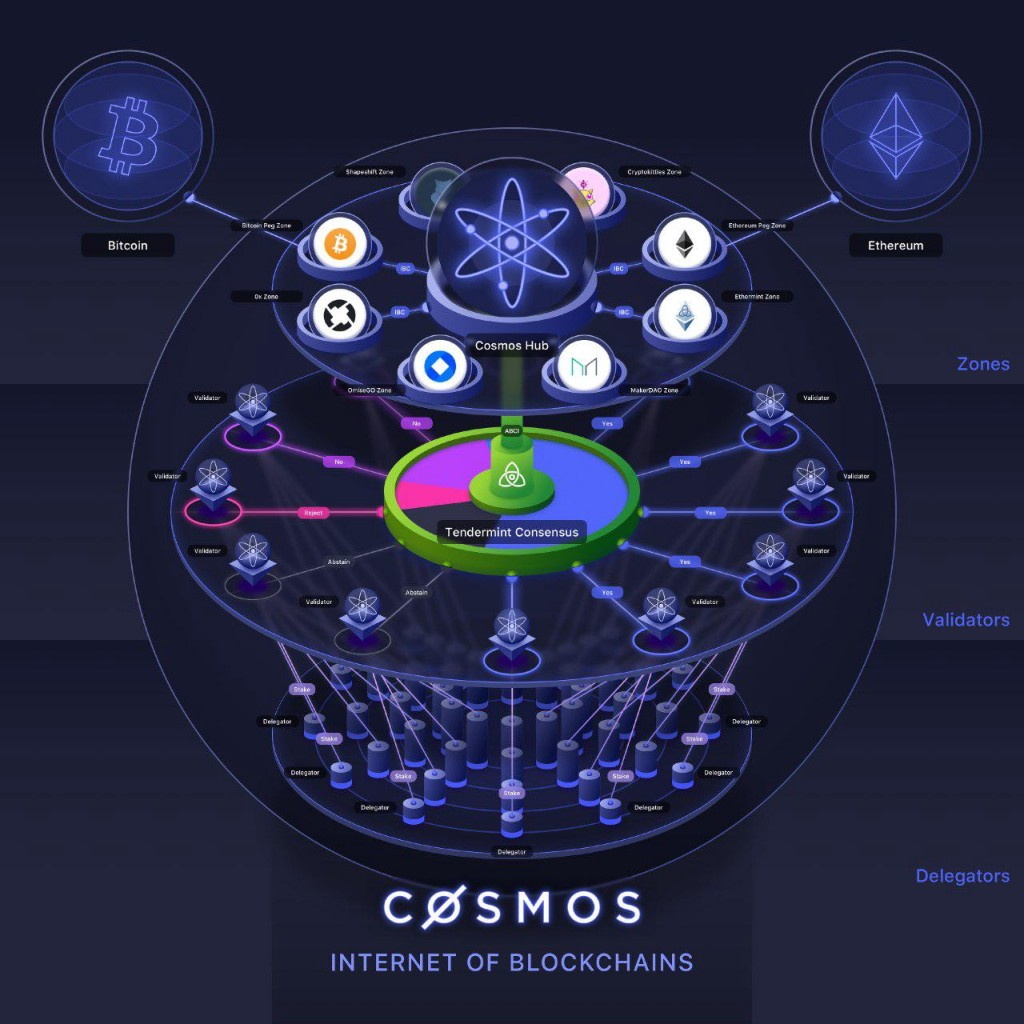
Cosmos has evolved from a collection of isolated blockchains into a true Interchain. The ecosystem now functions as a network of sovereign chains that communicate seamlessly, allowing complex DeFi strategies that were previously impossible on single-chain architectures. This shift is central to any serious cosmos crypto defi strategy today, as it unlocks liquidity and composability across the entire network.
The foundation of this strategy lies in the Inter-Blockchain Communication (IBC) protocol. IBC acts as the transport layer, enabling secure and trustless transfers of tokens and data between chains. Instead of relying on centralized bridges or wrapped assets, developers and users can move assets directly between the Cosmos Hub, Osmosis, and other IBC-enabled chains. This reduces counterparty risk and simplifies the user experience.
For 2026, the focus is on scalability and institutional-grade infrastructure. Protocols are leveraging Cosmos SDK to build specialized chains for specific use cases, from high-throughput trading to privacy-focused transactions. This modular approach means that a single DeFi strategy can span multiple chains, optimizing for yield, speed, and security simultaneously. The result is a more resilient and flexible DeFi environment that can adapt to market changes faster than monolithic networks.
Core infrastructure for cross-chain yield
A practical Cosmos DeFi strategy must survive normal use, maintenance, timing, and budget constraints. If a recommendation only works in an ideal situation, it fails in reality. Start with your actual constraints—such as liquidity needs and risk tolerance—then separate must-have requirements from nice-to-have features. Compare each option against these criteria before weighing secondary details. This ensures your choice is robust, not just theoretical.
Comparing Top Yield Strategies and Tools
Building a Cosmos crypto DeFi strategy requires matching your risk tolerance and liquidity needs to the right infrastructure. The Cosmos ecosystem doesn't rely on a single monolithic chain; instead, it offers distinct zones with specialized mechanics. Your choice between staking, lending, or liquidity provision determines your exposure to impermanent loss, validator risk, and opportunity cost.
Staking: Security and Steady Yield
Staking remains the foundational yield strategy for ATOM holders. By delegating to validators, you secure the network while earning rewards distributed from inflation and transaction fees. This approach carries minimal capital risk compared to active trading, though you remain exposed to ATOM price volatility. The primary tool is the Cosmos Hub itself or compatible wallets like Keplr, which allow direct delegation to high-performing validators.
Lending: Fixed Income on Cosmos Zones
Lending platforms on Cosmos zones like Kava offer a different risk profile. By supplying assets to lending protocols, you earn interest from borrowers. This strategy can provide more predictable returns than staking, but it introduces smart contract risk and counterparty risk. Kava, for instance, combines DeFi functionalities with traditional financial systems, offering cross-chain lending that can stabilize yields against volatile native token performance.
Liquidity Provision: High Yield, High Complexity
Providing liquidity to decentralized exchanges (DEXs) within the Cosmos ecosystem offers the highest potential yields but comes with significant complexity. You earn trading fees, but you also face impermanent loss if the token pair diverges in price. This strategy requires active management and a deeper understanding of market dynamics. Tools like Osmosis are central here, allowing users to create custom liquidity pools and earn rewards from trading activity.
Side-by-Side Comparison
The table below compares these strategies based on risk, potential APY, and liquidity constraints. These figures are illustrative of typical market conditions and can vary significantly based on network activity and token performance.
| Strategy | Risk Level | APY Potential | Liquidity Lock-up |
|---|---|---|---|
| Staking | Low | 4-8% | Variable (unbonding period) |
| Lending | Medium | 2-10% | Instant (subject to protocol limits) |
| Liquidity Provision | High | 10-20%+ | Instant (subject to impermanent loss) |
Risk management in the interchain
Building a cosmos crypto defi strategy requires more than finding high yields; it demands a rigorous defense against the unique vulnerabilities of the Interchain. Unlike isolated chains, Cosmos ecosystems rely on cross-chain communication, which introduces specific attack vectors that don't exist in single-chain environments. Understanding these mechanics is the difference between sustainable growth and total loss.
The most pervasive threat is bridge risk. Since assets often move between zones via the Inter-Blockchain Communication (IBC) protocol or external bridges, a vulnerability in the bridge contract can drain liquidity from multiple chains simultaneously. Audited bridges are not a guarantee of safety, but they are the baseline. Always verify the audit history and the number of validators securing the bridge before deploying capital.
Smart contract risk remains a constant factor. Even if the bridge holds, the destination chain’s smart contracts may have bugs. Diversifying across multiple independent zones mitigates this, as a failure in one zone rarely cascades to others unless they share the same underlying codebase.
Validator slashing is the third critical risk. In the Cosmos ecosystem, validators who go offline or act maliciously face slashing penalties, which can reduce the value of your staked assets. Choosing reputable validators with high uptime and transparent incident response records is essential. Consider using decentralized staking providers that spread risk across multiple validators to minimize exposure to any single point of failure.
Building your 2026 portfolio allocation
A functional cosmos crypto defi strategy requires balancing yield generation with infrastructure security. Your allocation should reflect your risk tolerance, but a balanced approach typically divides capital into three distinct buckets: core staking, liquid leverage, and stablecoin arbitrage.
Core Staking (40-50%)
The foundation of your portfolio is ATOM staked directly on the Cosmos Hub. This provides the most secure yield, currently averaging between 12-15% APR, while maintaining exposure to IBC ecosystem growth. Staking directly on the Hub ensures you participate in governance and network security without counterparty risk from third-party validators. This portion of your portfolio acts as the anchor, providing steady, predictable returns with minimal active management.
Liquid Leverage (30-40%)
To boost yields without selling your core position, allocate a portion to liquid staking derivatives (LSDs) like stATOM or qATOM. These tokens represent your staked ATOM and can be deployed into DeFi protocols for additional yield. This strategy allows you to earn staking rewards plus liquidity provider fees simultaneously. However, it introduces smart contract risk, so only use reputable protocols with audited code and strong track records.
Stablecoin Arbitrage (10-20%)
The final bucket involves using stablecoins like USDC to capture yield from lending markets or liquidity pools. Protocols like Eris Protocol or Neutarsa offer opportunities to borrow stablecoins at rates lower than 10% and deploy them into higher-yielding pools. This strategy requires active management and a keen eye on interest rate spreads. It is best suited for experienced users who can monitor market conditions and adjust positions as needed.
Helpful gear
Use these product recommendations as a starting point, then choose the size, material, and price point that fit how you actually use the gear.


As an Amazon Associate, we may earn from qualifying purchases.
No comments yet. Be the first to share your thoughts!