Set up your interchain wallet
Before you can interact with the Cosmos ecosystem, you need a wallet that speaks the language of IBC (Inter-Blockchain Communication). Standard Ethereum wallets won't cut it here; you need a tool built for the Cosmos SDK. The industry standard for this is Keplr.
Install the Keplr browser extension or mobile app. During setup, you will generate a 12-word seed phrase. Write this down on paper and store it in a secure physical location. Never store it digitally in a notes app, cloud drive, or screenshot. This phrase is the only way to recover your funds if you lose access to your device.
Once installed, you need to configure your network settings. By default, Keplr connects to the Cosmos Hub (ATOM). To access the broader interchain DeFi landscape, you must enable other chains. Go to Settings > Advanced > Experimental Features and toggle on "Enable all chains." This allows you to view and interact with assets from Osmosis, Celestia, and other IBC-connected networks.

Visit the official Keplr website or your browser's extension store. Install the extension and click "Create a new wallet." Follow the prompts to set a strong password for the local app encryption.
Write your 12-word recovery phrase on paper. Verify the order by re-entering the words in the app. Delete any digital copies immediately. This phrase is your only backup.
Open Keplr Settings, navigate to Advanced, and enable experimental features. Toggle on "Enable all chains" to see assets from the entire Cosmos ecosystem, not just the Cosmos Hub.
Your wallet is now ready to bridge assets and interact with Cosmos DeFi protocols. Ensure your extension is updated regularly, as new IBC channels and security patches are released frequently by the Cosmos community.
Fund accounts with ATOM and stablecoins
Before you can provide liquidity or stake assets, you need ATOM and stablecoins like USDC on a Cosmos-compatible chain. The most reliable path is to buy ATOM on a centralized exchange (CEX) like Kraken or Coinbase, then bridge it to a Cosmos hub like Cosmos Hub or Osmosis.
Step 1: Acquire ATOM
Purchase ATOM on a major exchange. This is the easiest way to get your initial capital. Keep a small amount in your exchange wallet for trading fees, but move the rest to a self-custody wallet like Keplr or Leap for DeFi interactions.
Step 2: Bridge to Cosmos
Use the official Cosmos IBC bridge or a trusted third-party bridge like Gravity Bridge to move ATOM from the CEX to your Cosmos wallet. Always verify the contract addresses and bridge URLs to avoid phishing sites. For stablecoins, you can mint USDC on Cosmos using the Gravity Bridge or buy it directly on Osmosis if you already have ATOM.
Step 3: Secure Your Assets
Consider using a hardware wallet like Ledger or Trezor for long-term storage. These devices support Cosmos and provide an extra layer of security against online threats. Keep your seed phrase offline and never share it with anyone.
Compare Cosmos DeFi protocols side-by-side
Yield isn't uniform across the Cosmos ecosystem. Some protocols offer high APYs but suffer from shallow liquidity, while others provide steady, lower returns with deep capital reserves. To build a resilient strategy, you need to weigh these factors against each other before committing funds.
The table below breaks down the current landscape of major Cosmos DeFi hubs. Use this as a baseline to identify which risk profile matches your portfolio goals.
| Protocol | Est. APY | Risk Level | Liquidity Depth |
|---|---|---|---|
| Osmosis | 4-8% | Medium | High |
| Stride | 12-15% | Medium-High | High |
| Kava | 3-6% | Low | Medium |
| Neutron | 10-20% | High | Medium |
| Dymension | 15-25% | Very High | Low |
Osmosis remains the liquidity heavyweight. Its concentrated liquidity model allows for efficient capital usage, making it the safest bet for steady, moderate yields. Stride is the go-to for liquid staking, offering higher yields by delegating to multiple validators, though it introduces smart contract risk associated with the LST token. Neutron attracts sophisticated users with its IBC-native smart contract capabilities, offering higher potential returns but requiring a deeper understanding of cross-chain mechanics.
Decide if you prioritize capital preservation or maximum yield. Low-risk strategies typically involve established protocols like Osmosis or Kava. If you can handle volatility, Neutron or Dymension may offer better rewards.
High APYs often signal low liquidity. Ensure the pool has enough depth to allow you to exit your position without significant slippage. Galaxy Research notes that liquidity fragmentation is a key risk in the interchain.
Before depositing, check if the protocol has undergone a third-party audit. Look for recent reports from firms like Informal Systems or Halborn. Unaudited contracts are a primary vector for DeFi exploits.


As an Amazon Associate, we may earn from qualifying purchases.
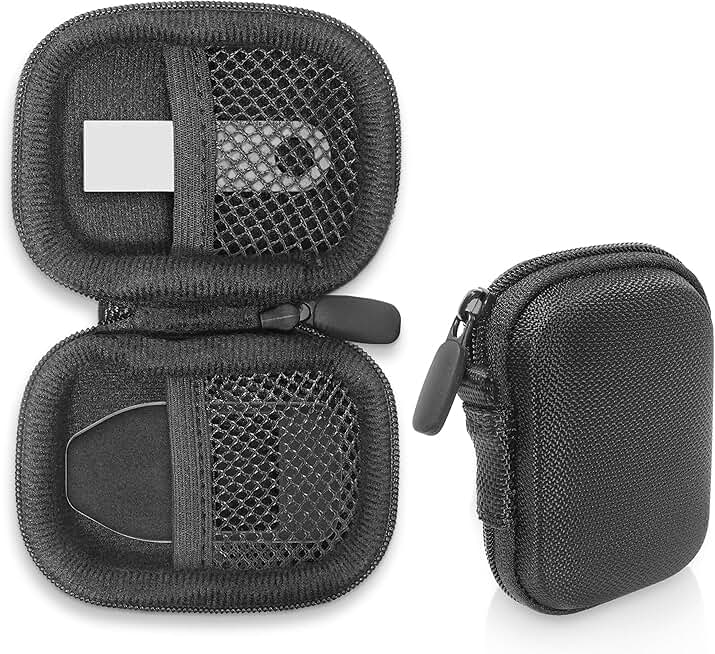
For high-stakes DeFi interactions, securing your keys is non-negotiable. A hardware wallet ensures that your private keys never touch an internet-connected device, protecting you from phishing attacks and malware that target browser-based wallets.
Secure positions with IBC and audits
Interchain Bridge and Cosmos (IBC) security is the backbone of any serious DeFi strategy. When you move assets across zones, you are trusting a chain of validators, relayers, and smart contracts. One misconfigured contract or a failed audit can drain a position instantly. Treat every cross-chain transaction like a high-stakes vault transfer: verify the lock, check the key, and confirm the destination.
Verify the IBC connection path
Before bridging, confirm the exact IBC path. Cosmos relies on light clients and relayers to prove state across chains. If a relayer goes offline or a light client fails to update, your assets can be stuck or exposed. Use official Cosmos SDK tools to trace the packet flow. Ensure the receiving chain’s IBC module is active and the port is open. Never assume a bridge is live just because it appears in a wallet interface.
Audit smart contracts before interaction
Never deploy capital into a protocol without a recent, public audit. Look for audits from firms like CertiK, Trail of Bits, or OpenZeppelin. More importantly, check if the audit addressed the specific contract you are using. Many Cosmos-based DeFi protocols fork existing code; a fork is only as secure as its latest patch. Look for "post-audit" reports that show how vulnerabilities were fixed. If a protocol has no audit, treat it as untrusted code.
Use hardware wallets for bridge keys
Your private keys are the only thing standing between your assets and a hack. When interacting with IBC bridges, you often sign transactions that lock assets on one chain and mint on another. A compromised hot wallet can be drained in seconds. Use a hardware wallet like Ledger or Trezor to sign these transactions. Keep your seed phrase offline and never enter it into a web interface. This step is non-negotiable for high-value positions.
Monitor bridge health and governance
IBC is not set-and-forget. Validators can be slashed, and governance proposals can change bridge parameters. Follow the governance channels of the chains you are using. Set up alerts for large withdrawals or unexpected parameter changes. If a bridge’s total value locked (TVL) drops sharply, investigate immediately. It could signal a exploit or a loss of trust. Stay informed, not just invested.
Track and adjust your yield strategy
DeFi strategies are not set-and-forget. Markets shift, and so should your positions. Treat your Cosmos portfolio like a garden: you must water it regularly and pull weeds before they choke the growth. Start by monitoring your core metrics weekly. Check your yield rates against the current ATOM price to ensure you aren't losing ground to volatility. If the price drops significantly while your yield remains flat, your effective APY might still look healthy, but your principal value is eroding.
Use a dashboard to track the health of the specific IBC channels and liquidity pools you are invested in. Look for signs of instability, such as shrinking liquidity or unusual slippage on swaps. If a protocol you rely on shows signs of strain, prepare to move your assets to a more stable venue. This isn't about panic selling; it's about risk management. Keep an eye on the broader market cycle. If we are in an accumulation phase, as some analysts suggest for ATOM in 2026, holding might be more profitable than chasing high-risk yields.
Rebalancing should be a deliberate action, not a reaction to daily noise. Set clear thresholds for when to take profits or cut losses. For example, if your yield exceeds 15% for more than two weeks, consider locking in some gains. If the underlying asset drops by 20%, reassess whether the fundamental thesis still holds. Regular check-ins keep your strategy aligned with your financial goals.
Frequently asked questions about Cosmos DeFi
How do I actually get started with Cosmos DeFi? Begin by setting up a non-custodial wallet like Keplr or Leap. Fund it with ATOM, then connect to a Cosmos-based DEX such as Osmosis or KyberSwap. Always verify the contract addresses on the official cosmos.network site before signing any transactions to avoid phishing sites.
Is Cosmos DeFi safe for beginners? The Cosmos ecosystem is interoperable, which adds complexity. While the underlying technology is robust, interacting across multiple zones requires understanding IBC (Inter-Blockchain Communication) bridges. Start with established, audited protocols on Osmosis or Celestia rather than experimental new launches.
Will ATOM reach $10 soon? Market sentiment suggests ATOM is in an accumulation phase. Reaching $10 is possible but likely a slow, zig-zag process spanning 2026 and 2027 rather than an immediate spike. Treat price predictions as long-term scenarios, not short-term guarantees.
What are the main risks in Cosmos DeFi? Smart contract risk is the primary concern. Unlike centralized exchanges, you are responsible for your keys. Additionally, bridge risks exist when moving assets between different Cosmos zones. Always use hardware wallets for significant holdings and never share your seed phrase.
No comments yet. Be the first to share your thoughts!