Get Cosmos Crypto DeFi Infrastructure Right
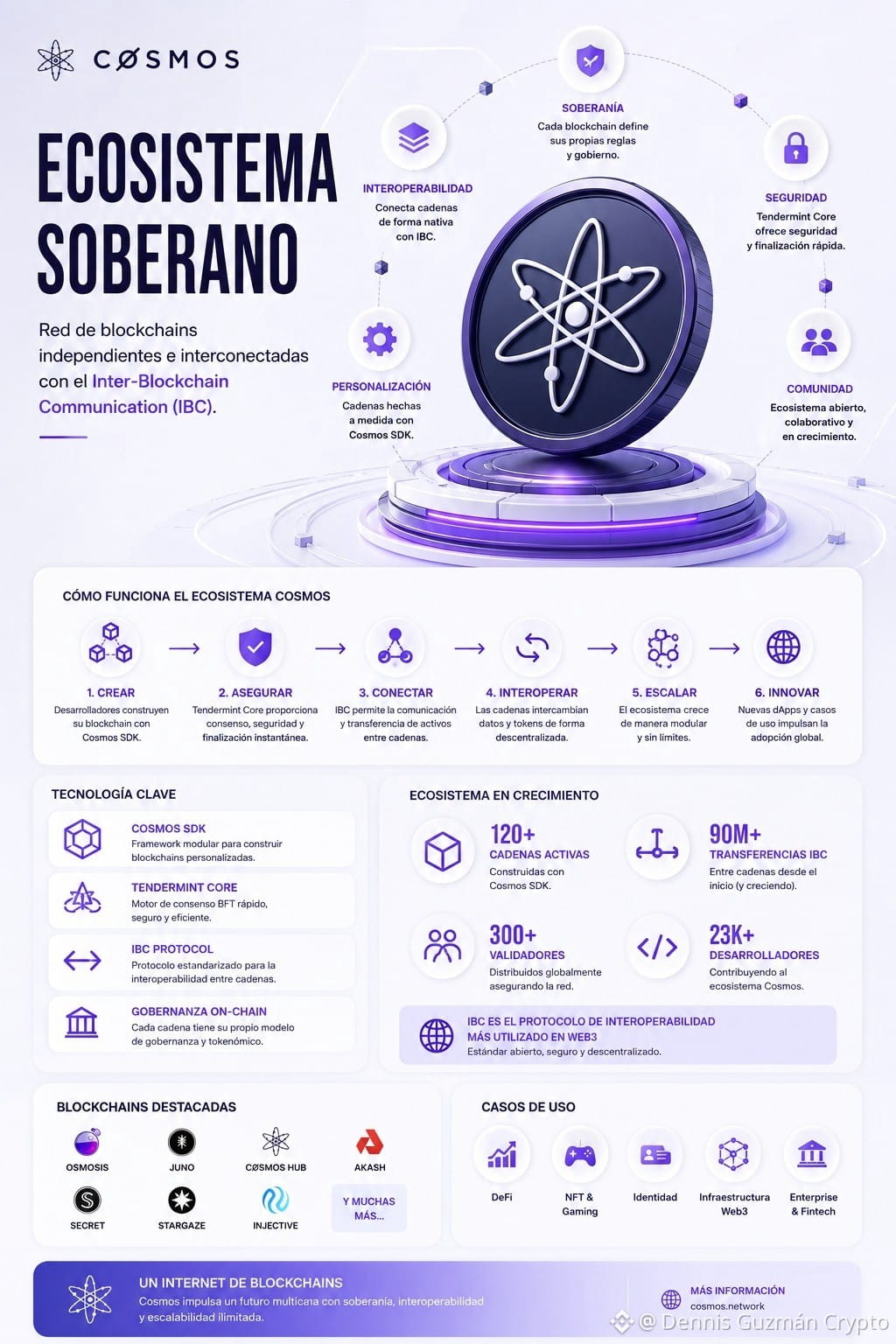
Before deploying capital or building on the Cosmos ecosystem, you must audit the underlying infrastructure. The network’s modular design allows for sovereignty, but it also fragments liquidity across independent zones. Success in 2026 depends on understanding how these zones connect via the Inter-Blockchain Communication (IBC) protocol rather than treating Cosmos as a single monolithic chain.
Start by verifying the security model of your target zone. Not all Cosmos chains share the same validator set or slashing conditions. A zone with weak validator diversity is vulnerable to collusion, regardless of its transaction speed. Check the current active validators and their stake distribution to ensure the network remains decentralized and resistant to attacks.
Next, map the liquidity routes. IBC is not automatic; it requires relayers to bridge messages between chains. Identify which IBC channels are active and funded. If a channel lacks relayer incentives, transactions may fail or experience significant delays. Use block explorers like Mintscan to trace asset flows and confirm that the liquidity pools you intend to use are sufficiently deep to handle your trade size without excessive slippage.
Finally, test the infrastructure with small transactions. Simulate your intended workflow—swapping, staking, or bridging—using minimal amounts. This reveals latency issues, gas price spikes, or broken IBC pathways before you commit significant resources. Treat the Cosmos network as a collection of distinct legal and technical entities, not a unified bank.
Build Interchain Liquidity with IBC
Connecting Cosmos chains requires precise configuration of the Inter-Blockchain Communication (IBC) protocol. IBC allows sovereign blockchains to exchange packets of data and tokens without a central intermediary. This section walks through the technical steps to establish a reliable liquidity channel.
1. Deploy and Verify the IBC Module
Begin by ensuring your chain’s app.go includes the IBC module. The module must be initialized before the application starts. Verify that the ibc-go version matches the target network requirements. A mismatched version often causes packet loss or consensus failures. Check the Cosmos SDK documentation for the latest stable release notes.

Open your chain’s app.go file. Import the ibc-go module and register the keeper. Ensure the module is added to the BeginBlocker and EndBlocker lists. This step activates the packet handling logic required for cross-chain communication.
Edit genesis.json to define the IBC client parameters. Set the trusted-height and max-time-difference for any light clients you plan to use. Incorrect timing parameters will cause your chain to reject valid packets from the counterparty. Use a conservative time difference during testing.
Your chain must bind to a specific IBC port, such as transfer for token transfers. Use the portKeeper to register this binding in the InitGenesis phase. Without a bound port, your chain cannot receive or send packets on that channel. Verify the binding by checking the chain’s logs for successful port registration.

Initiate the channel handshake from one chain to the other. Use the cosmos-cli to send a tx ibc-core channel create command. Both chains must agree on the ordering (ordered or unordered) and the connection ID. Monitor the packet state until the channel reaches the OPEN status. This confirms the channel is active and ready for data.
Send a minimal amount of tokens across the new channel. Verify that the escrow account on the source chain locks the tokens and the receiving chain mints the wrapped version. Check both chain explorers to ensure the packet lifecycle completed without errors. Once verified, you can scale up liquidity operations.
2. Secure the Channel
After the channel is open, secure it against common attack vectors. Ensure that the light client verifying the counterparty chain is updated regularly. Stale light clients can lead to false attestations. Implement rate limits on the channel to prevent spam attacks that could congest the network.
3. Monitor and Maintain
Use the Cosmos Explorer to track packet acknowledgments. Failed acknowledgments indicate network issues or misconfigurations. Regularly update your IBC module to patch any security vulnerabilities. Consistent monitoring ensures that your interchain liquidity remains stable and secure.
Fix common mistakes
Cosmos Crypto DeFi Infrastructure troubleshooting should start with a clear boundary: what is actually broken, and what still works normally. Check the display, network connection, paired devices, app access, and recent updates before assuming the whole system needs a reset. A small connection failure can make the main screen feel unreliable even when the core system is fine. Work from low-risk checks to deeper resets. Confirm power state, safe parking, account access, and signal first. Then restart the interface, wait for it to reload completely, and test the original symptom. Avoid changing multiple settings at once because that makes it harder to know which step actually fixed the problem. If the issue affects safety information, repeats after every restart, or appears with warning messages, treat the reset as a temporary diagnostic step rather than the final fix. Document the symptom and move to official support instead of stacking more DIY attempts.
The simplest way to use this section is to keep the setup small, verify each change, and record the stable configuration before adding optional accessories.
Cosmos crypto FAQ: real questions on ATOM and interchain infrastructure
Readers often ask about Cosmos ATOM crypto investment potential and whether the network still has momentum. The answers depend on how you view blockchain infrastructure: as a speculative asset or as foundational plumbing for decentralized finance.
Is Cosmos ATOM crypto a good investment?
ATOM functions as the governance and security token for the Cosmos Hub. Its value is tied to the growth of the broader Cosmos ecosystem rather than direct utility on a single chain. Investors typically weigh this against other Layer 1 assets, considering staking yields and network activity. It is not a passive income generator by itself but a bet on the interchain standard.
Is Cosmos a dead coin?
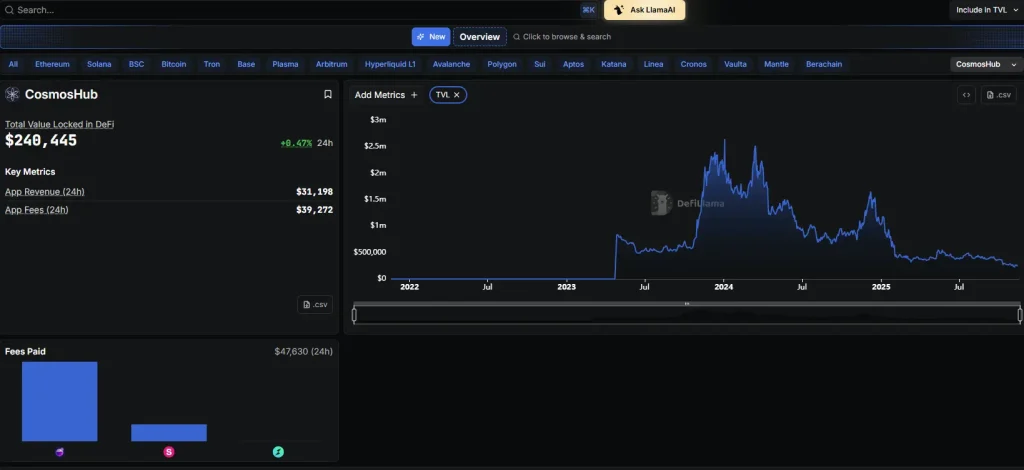
The network is active, with over 100 connected chains using the Inter-Blockchain Communication (IBC) protocol. Recent developments like the Cosmos Hub v14 upgrade and the launch of the Interchain Security v2 have strengthened its security model. Activity metrics show sustained usage, contradicting claims that the ecosystem has stalled.
Does Cosmos crypto have a future?
Cosmos is positioning itself as the standard for sovereign, interconnected blockchains. The focus on modularity and app-chains allows developers to build specialized networks that still communicate with each other. This infrastructure approach is critical for institutional DeFi, which requires both security and interoperability.
Can Cosmos reach $100?
Reaching $100 per ATOM would require a market capitalization exceeding $100 billion, assuming current circulating supply levels. This would place it among the top three cryptocurrencies globally. While not impossible in a massive bull market, it requires significant adoption of the IBC standard and sustained growth in the value locked across the ecosystem.
Helpful gear
Use these product recommendations as a starting point, then choose the size, material, and price point that fit how you actually use the gear.


As an Amazon Associate, we may earn from qualifying purchases.
No comments yet. Be the first to share your thoughts!