How the interchain stack works
Cosmos functions as the foundational infrastructure for a network of independent blockchains, often described as the "internet of blockchains." Instead of forcing every application onto a single congested chain, the Cosmos SDK allows developers to build sovereign, application-specific chains. These chains maintain their own governance, tokenomics, and security models while remaining connected to the broader ecosystem.
The backbone of this connectivity is the Inter-Blockchain Communication (IBC) protocol. IBC acts as a standardized messaging layer, enabling different chains to exchange data and assets securely. It operates as a trustless bridge, ensuring that transactions are verified across chains without relying on a centralized intermediary. This interoperability is what transforms isolated networks into a cohesive interchain stack.
Underpinning both the SDK and IBC is the Tendermint Byzantine Fault Tolerance (BFT) consensus engine. Tendermint provides the core security and finality guarantees, allowing chains to reach agreement on state changes quickly and efficiently. By separating the consensus layer from the execution layer, Cosmos offers a modular architecture that prioritizes performance and flexibility, making it a robust choice for crypto DeFi infrastructure.
Key tools for building on Cosmos
Deploying and securing DeFi applications on the Cosmos ecosystem requires more than just smart contracts; it demands a specialized stack for interoperability and identity. Developers rely on the Cosmos SDK to construct application-specific blockchains and Inter-Blockchain Communication (IBC) to enable trustless data transfer across these chains. For institutions and individual operators, the infrastructure extends to hardware solutions that ensure private keys remain offline during staking and transaction signing.
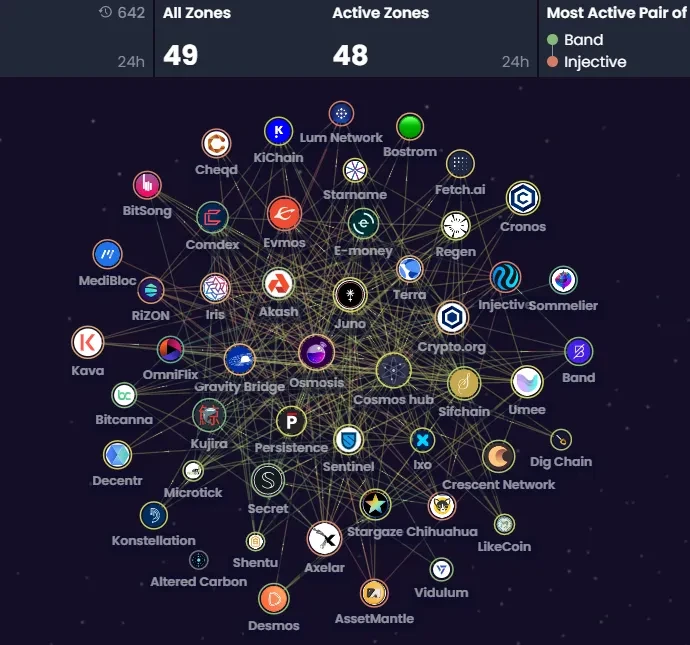
To visualize how these components connect, consider the following overview of the ecosystem's architecture.
Security is the foundation of any DeFi protocol. When interacting with Cosmos-based assets like ATOM, users often utilize hardware wallets to manage staking rewards and governance votes. These devices provide a physical barrier against remote exploits, ensuring that the keys controlling significant value cannot be compromised by software vulnerabilities on a connected computer.
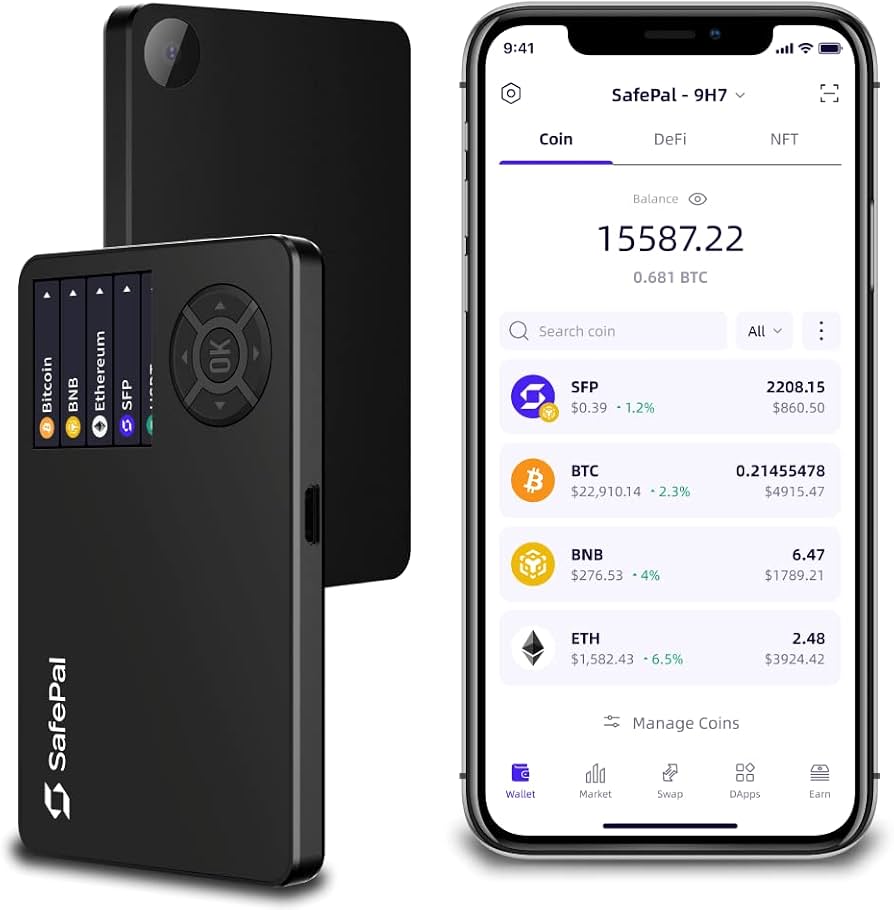

As an Amazon Associate, we may earn from qualifying purchases.
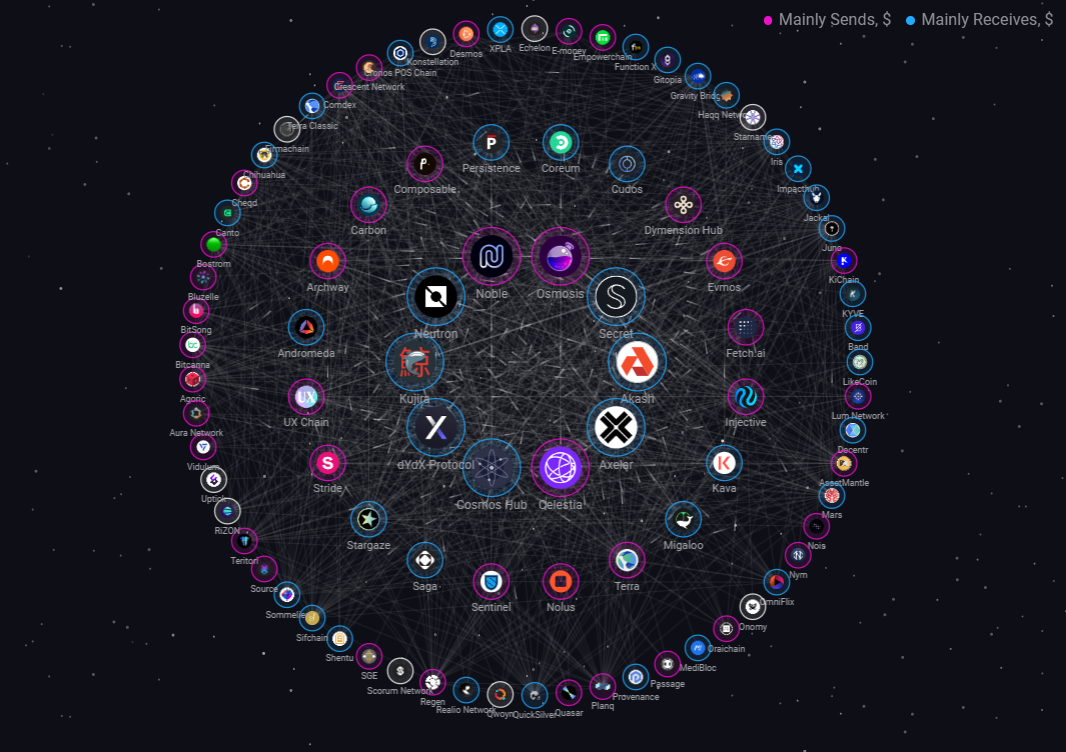
Beyond security hardware, developers must plan around the specific networking protocols that define Cosmos. The Tendermint consensus engine provides finality, while IBC relayers facilitate the movement of tokens between zones like Osmosis and Juno. Understanding these tools is essential for anyone looking to build or invest in the interchain stack.
ATOM Market Dynamics and Infrastructure Value
The ATOM token’s market behavior is no longer driven by speculation alone; it is increasingly tied to the utility of the Cosmos SDK as a DeFi infrastructure layer. While early cycles rewarded novelty, current price action reflects a more mature narrative: ATOM is trading on its role as the connective tissue for institutional-grade interoperability. This shift means that token performance now mirrors the adoption of interchain services rather than just broader crypto sentiment.
To understand this dynamic, look beyond simple price charts. The correlation between ATOM and the total value locked (TVL) in Cosmos-based chains like Osmosis, Celestia, and dYdX has strengthened. When developers choose the Cosmos stack for modular blockchain deployment, demand for ATOM rises—not for staking yields alone, but to secure the interchain security (ICS) relay. This creates a floor for valuation that is more resilient than meme-driven assets.
A visual representation of this trend appears in the long-term price structure. Unlike volatile altcoins that spike and crash, ATOM’s chart shows periods of accumulation that align with major infrastructure upgrades, such as the launch of the Interchain Account (ICA) protocol or improvements to the Cosmos Hub’s governance. These upgrades are not marketing fluff; they are technical milestones that reduce friction for cross-chain communication, directly impacting the token’s utility.
The data suggests a decoupling from Bitcoin’s short-term noise. During market downturns, Cosmos-based ecosystems have shown relative stability because their value is derived from active usage by other chains. For instance, when IBC (Inter-Blockchain Communication) transaction volumes rise, it signals healthy interchain liquidity. This is a strong indicator that the market is pricing in the long-term viability of the Cosmos Crypto DeFi infrastructure, rather than just betting on short-term price pumps.
Leading DeFi protocols on the ecosystem
The Cosmos ecosystem hosts a diverse array of DeFi applications, each leveraging the Inter-Blockchain Communication (IBC) protocol to move assets and data across chains. Rather than a single monolithic network, these protocols operate as specialized hubs, offering distinct advantages in liquidity, speed, and privacy. Understanding their specific infrastructure roles helps clarify how the broader Cosmos crypto DeFi infrastructure functions.
Osmosis
Osmosis stands as the leading decentralized exchange (DEX) within the Cosmos ecosystem. Built on the Cosmos SDK, it utilizes a concentrated liquidity model that allows for deeper pools and more efficient capital allocation compared to traditional automated market makers. Its design supports cross-chain swaps, enabling users to trade assets from various IBC-connected chains without leaving the interface. This makes it a critical liquidity hub for the entire interchain network.
Crypto.org Chain
The Crypto.org chain focuses on real-world asset tokenization and payments. It offers a high-throughput infrastructure capable of processing thousands of transactions per second, making it suitable for consumer-facing applications like the Crypto.com Visa card. The chain’s architecture prioritizes low fees and fast finality, providing a stable foundation for payment processors and merchants looking to integrate cryptocurrency into everyday transactions.
Juno Network
Juno operates as a general-purpose smart contract platform, often referred to as the "Ethereum of Cosmos." It supports a wide range of decentralized applications, including lending protocols, NFT marketplaces, and governance tools. Developers frequently choose Juno for its robust developer tools and active community, which facilitate the deployment of complex smart contracts that interact with other IBC-enabled chains.
Secret Network
Secret Network introduces privacy-preserving smart contracts to the Cosmos ecosystem. By leveraging confidential computing technologies, it allows users to execute computations on encrypted data without exposing sensitive information. This capability is particularly valuable for DeFi applications requiring confidentiality, such as private lending markets or encrypted voting systems, addressing a significant gap in public blockchain transparency.
Comparison of Key Metrics
The following table compares the core infrastructure metrics of these leading protocols, highlighting their distinct technical approaches and current ecosystem standing.
| Protocol | Primary Focus | TVL Rank (Est.) | IBC Native |
|---|---|---|---|
| Osmosis | DEX & Liquidity | 1 | Yes |
| Crypto.org | Payments & Payments | 5 | Yes |
| Juno | Smart Contracts | 8 | Yes |
| Secret Network | Privacy Computing | 12 | Yes |
Strategic considerations for 2026
As the Cosmos ecosystem matures, the focus shifts from experimental interoperability to institutional-grade stability. For developers and investors, the primary keyword cluster "Cosmos Crypto DeFi infrastructure" now implies a need for robust, auditable, and compliant networks. The era of "move fast and break things" is giving way to structured, long-term value.
To navigate this transition, evaluate your position using the following strategic steps.
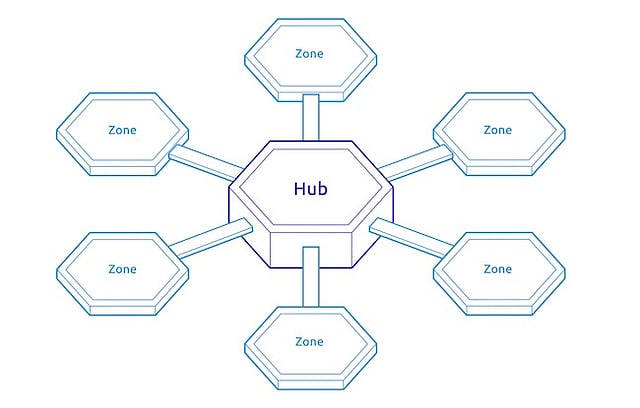
The Inter-Blockchain Communication (IBC) protocol is the backbone of Cosmos. Ensure any project you engage with has mature, audited IBC integrations. True sovereignty within the Cosmos Hub’s zone means your chain can communicate securely with others without relying on centralized bridges. Check if the project participates in the Cosmos Hub’s security model or maintains independent validator sets.
Institutional capital avoids unpredictable token emissions. Review the tokenomics of the specific Cosmos-based DeFi infrastructure you are considering. Look for deflationary mechanisms, clear utility for governance, and sustainable staking rewards. Projects with transparent, on-chain governance records are better positioned for long-term adoption than those with opaque issuance schedules.
As Cosmos becomes the institutional DeFi stack, regulatory clarity will dictate adoption. Prioritize projects that have implemented Know Your Customer (KYC) or Anti-Money Laundering (AML) frameworks where necessary. Infrastructure that supports compliant asset tokenization will attract traditional finance partners. Ensure the underlying chain can handle permissioned modules if required by your jurisdiction.
Active governance is a sign of a healthy ecosystem. Look for chains that have successfully executed major upgrades without downtime. Review the recent proposals on the Cosmos Hub or individual zones to gauge community engagement and developer activity. A stagnant governance process often signals a project that is no longer evolving or attracting new talent.
The shift toward institutional adoption requires more than just technical capability; it demands trust and transparency. By focusing on these strategic pillars, you can better position yourself within the evolving Cosmos Crypto DeFi infrastructure landscape. Stay informed through official channels like cosmos.network to track these developments in real time.
No comments yet. Be the first to share your thoughts!