Map your interchain liquidity needs
Before allocating capital, you need to know where the money is actually sitting. The Cosmos ecosystem isn't a single chain; it is a network of independent blockchains connected by the Inter-Blockchain Communication (IBC) protocol. Liquidity is fragmented across these chains, meaning your strategy must account for where assets like ATOM, TIA, or stablecoins are concentrated.
Start by identifying the chains that matter for your specific goals. If you are looking for yield, focus on high-throughput chains like Osmosis or Celestia. If you are seeking governance power or long-term staking rewards, Ethereum-adjacent chains or the Cosmos Hub itself might be more relevant. Use the Cosmos network dashboard to track Total Value Locked (TVL) and active validators across the ecosystem.

Don't just look at the headline TVL numbers. Liquidity can be illusory if it is locked behind complex bridges or if the underlying chain has low transaction volume. Check the daily active addresses and transaction counts for each chain you consider. A chain with high TVL but low activity often indicates stale liquidity that is difficult to exit quickly during market stress.
Once you have mapped the liquidity hotspots, draw a simple diagram of your capital flow. This visual map helps you identify single points of failure. If your entire strategy relies on one bridge to move assets from Cosmos Hub to Osmosis, you have created a bottleneck. Diversify your entry and exit points across multiple IBC-enabled chains to reduce counterparty risk.
Select the right Cosmos DeFi tools
Building a strategy on Cosmos requires more than just holding ATOM; you need the right infrastructure to manage Inter-Blockchain Communication (IBC) protocol interactions and Interchain Accounts (ICA) securely. The ecosystem is fragmented by design, meaning there is no single "one-size-fits-all" wallet. Choosing the wrong tool can lock your assets in isolated chains or expose them to bridge vulnerabilities.
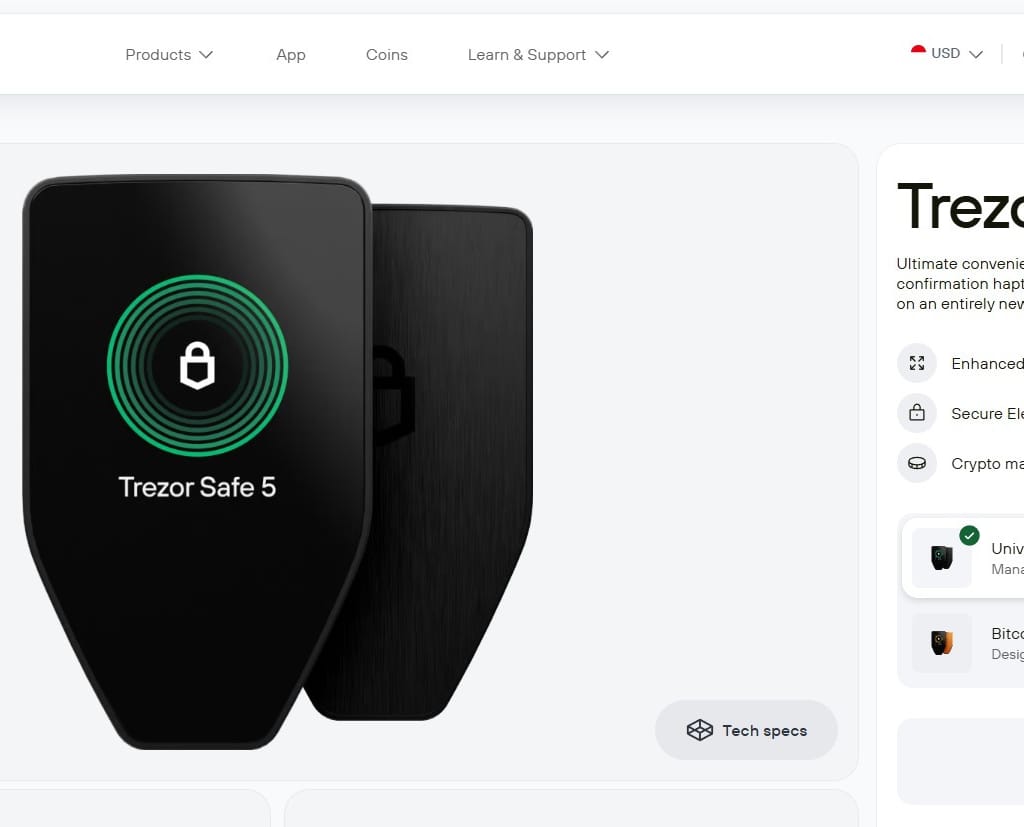
Start by securing your primary keys with a hardware wallet. Cold storage is non-negotiable for high-stakes DeFi positions, ensuring your private keys never touch an internet-connected device. This physical barrier is your first line of defense against phishing and remote exploits.


As an Amazon Associate, we may earn from qualifying purchases.
Once your keys are safe, you need a non-custodial software wallet that acts as your command center. Wallets like Keplr, Leap, or Cosmostation are essential because they natively support IBC transfers and ICA interactions. These tools allow you to send assets across the Cosmos ecosystem without relying on centralized exchanges, giving you full control over your transactions.
For moving assets between Cosmos chains and external networks like Ethereum or Bitcoin, use trusted IBC bridges. The Cosmos ecosystem relies on light clients to verify cross-chain messages, but bridging always carries some risk. Stick to official bridges recommended by the chain developers, and always verify the contract addresses before initiating a transfer. Aggregators like Ping.pub can help you find the most efficient routes for your swaps, minimizing slippage and fees.
Execute trades via IBC and ICA
Inter-Chain Accounts (ICA) let you control a remote chain from your local wallet without moving assets. This setup reduces gas costs and execution time by keeping your funds on one chain while managing positions across others. However, it introduces smart contract risk; the controller module on the remote chain can execute transactions on your behalf.
Follow this sequence to execute a trade securely.
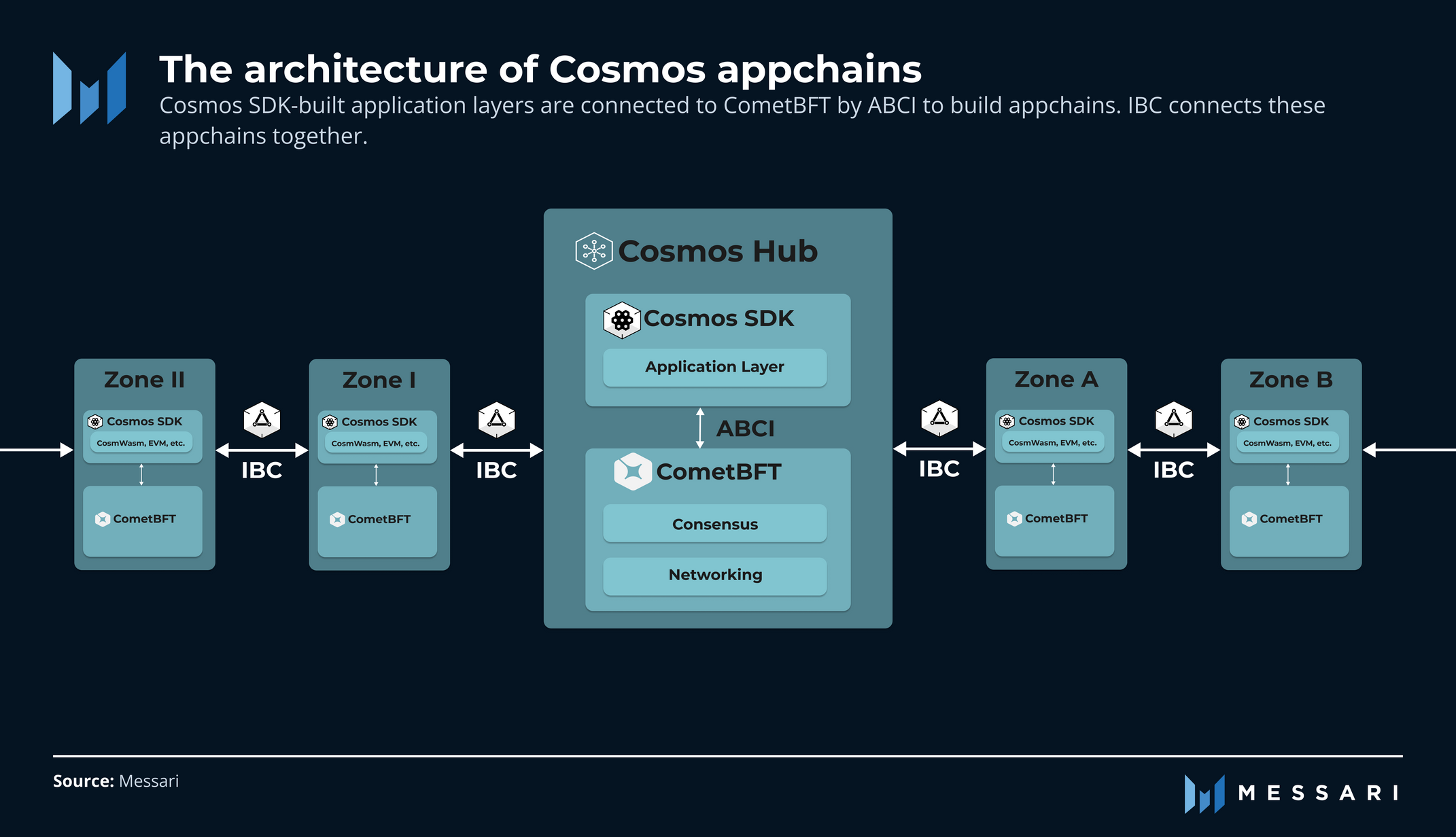
Start by connecting your Cosmos-compatible wallet to a hub like Cosmos Hub or Osmosis. These hubs act as the primary gateway for Inter-Chain Communication (IBC). Ensure your wallet supports ICA protocols, as this is required to initiate remote account interactions. Verify the network status on cosmos.network to confirm the hub is operating normally before proceeding.

ICA requires a registered account on the target chain. If you haven’t set this up, use a dApp like Keplr’s ICA interface or a dedicated explorer to register your controller address on the destination chain. This step creates a "remote" account on the target chain that is controlled by your local wallet. The registration process typically involves a small gas fee on the target chain, paid via the hub’s relayer.
Instead of initiating a trade directly, you will construct a transaction payload. This payload specifies the exact action, such as swapping ATOM for USDC on Osmosis or providing liquidity. Use a transaction builder or a dApp interface that supports ICA commands to draft this payload. Double-check the parameters, including the pool ID or token pairs, to prevent costly errors. The payload acts as a set of instructions that the remote chain will execute.
Submit the transaction to the hub. A relayer network will pick up your ICA message and relay it to the target chain. This process can take anywhere from a few seconds to a minute, depending on network congestion. Monitor the transaction status using a block explorer. If the transaction fails, check the error logs; common issues include insufficient gas on the target chain or incorrect payload formatting.
Once the relayer confirms the transaction, verify that the trade executed on the target chain. Check the remote account’s balance to ensure the assets were swapped or deposited correctly. Since your funds remain on the hub, you can immediately prepare for the next trade without waiting for cross-chain transfers. This verification step is critical for high-stakes finance, where timing and accuracy are paramount.
By following this workflow, you can execute complex DeFi strategies across the Cosmos ecosystem with minimal friction. The key is to treat ICA as a remote control for your assets, not a transfer mechanism. This approach keeps your capital secure on the hub while maximizing yield opportunities across the interchain.
Audit your infrastructure for risks
Cosmos is becoming the institutional DeFi stack, but that institutional adoption doesn't erase the technical risks inherent in its modular architecture. When you build a strategy across interconnected zones, you aren't just betting on one chain's security; you are betting on the integrity of every bridge and validator set in the ecosystem. A single point of failure in a cross-chain bridge or a governance attack on a major hub can drain liquidity from your entire portfolio.
Treat your infrastructure audit like a security clearance process. You need to verify where your assets live and how they move. If you are using IBC (Inter-Blockchain Communication), the security model is generally stronger than centralized bridges, but you must still verify the relayer nodes and the slashing conditions of the source and destination chains. For external bridges, assume the smart contract is hostile until proven otherwise. Check the audit history, the lockup period, and the multisig governance structure controlling the bridge's funds.
Before committing capital, run through this due diligence sequence. It prevents the common pitfalls of assuming all Cosmos chains have equal security guarantees.
This checklist isn't about paranoia; it's about precision. In high-stakes finance, your edge comes from knowing exactly where your risk lies. If you can't answer these questions for a specific chain or bridge, don't put capital there. The Cosmos ecosystem offers immense opportunity, but only for those who respect its complexity.
Track performance with charts
Use technical analysis to identify entry and exit points for ATOM and IBC-related tokens. Monitoring price action helps you time your moves without guessing. Start by reviewing the daily chart to spot trends, then zoom into the 4-hour or 1-hour timeframe for precise execution. This approach keeps you aligned with market momentum rather than fighting it.
Watch for key support and resistance levels. These zones often dictate where price bounces or breaks. Combine this with volume data to confirm breakouts. If price moves up but volume drops, the rally might lack strength. Conversely, high volume on a breakout suggests real interest. This simple check filters out false signals and keeps your strategy grounded in data.
"Cosmos aims to create a network of crypto networks united by open-source tools for streamlining transactions between them." — Kraken
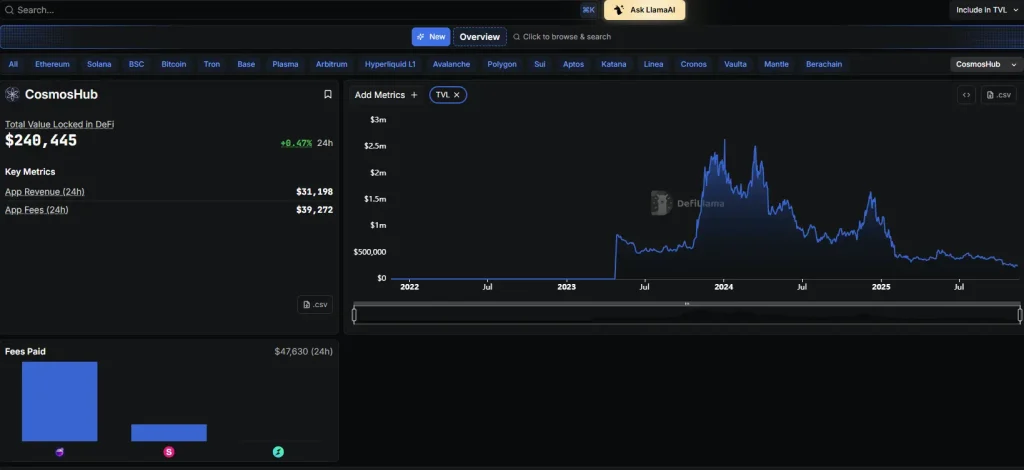
Track these metrics alongside the broader market. ATOM often moves with Bitcoin but can decouple during IBC ecosystem news. Use the chart below to visualize current price action and adjust your targets accordingly.
No comments yet. Be the first to share your thoughts!